

MD Anderson Patient Housing Checklist: What to Pack and Plan Before Treatment
When MD Anderson tells new patients to "keep travel plans flexible," most people assume that means one or two extra days. Then the evaluation comes back. Treatment gets scheduled. And the housing booked for a long weekend becomes a much bigger question.
This is your MD Anderson housing checklist and packing guide in one place. It covers what to prepare before your first visit, how long to realistically plan for, what to bring for a multi-week stay, and what to confirm with any housing provider before you sign. Bookmark this page and share it with anyone helping you plan.
Getting these decisions right before you arrive removes one category of stress from a period that already carries more than enough.
Furnished Homes Near MD Anderson for Treatment Stays
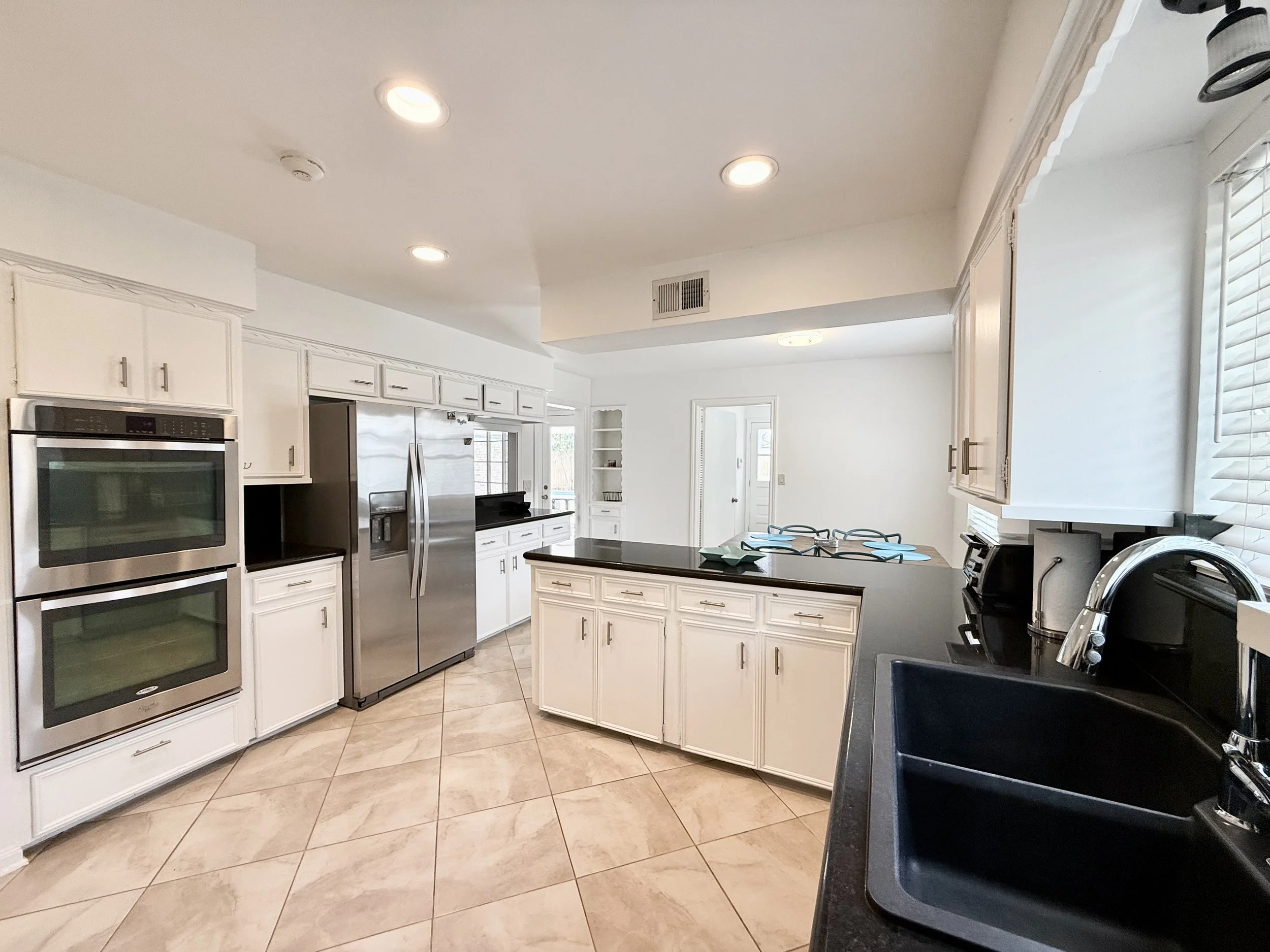
Private, fully furnished homes in Bellaire and Meyerland - the closest residential neighborhoods to MD Anderson Cancer Center.


Benefits of Furnished Housing Near MD Anderson with LUXURWAY
"Safe neighborhood. Easy commute to MD Anderson and you never have to get on highway."
Full Kitchen for Treatment Diets
Cancer treatment frequently changes appetite, dietary tolerances, and nutritional needs. Every Luxurway home comes with a fully stocked kitchen so you can prepare the meals that work for you, on your schedule.
Flexible Leases for Changing Schedules
Treatment timelines shift. We offer monthly leases with straightforward extension options. If your doctor adds more sessions, extending your housing takes a conversation, not a new lease from scratch.
Quiet Neighborhoods for Recovery
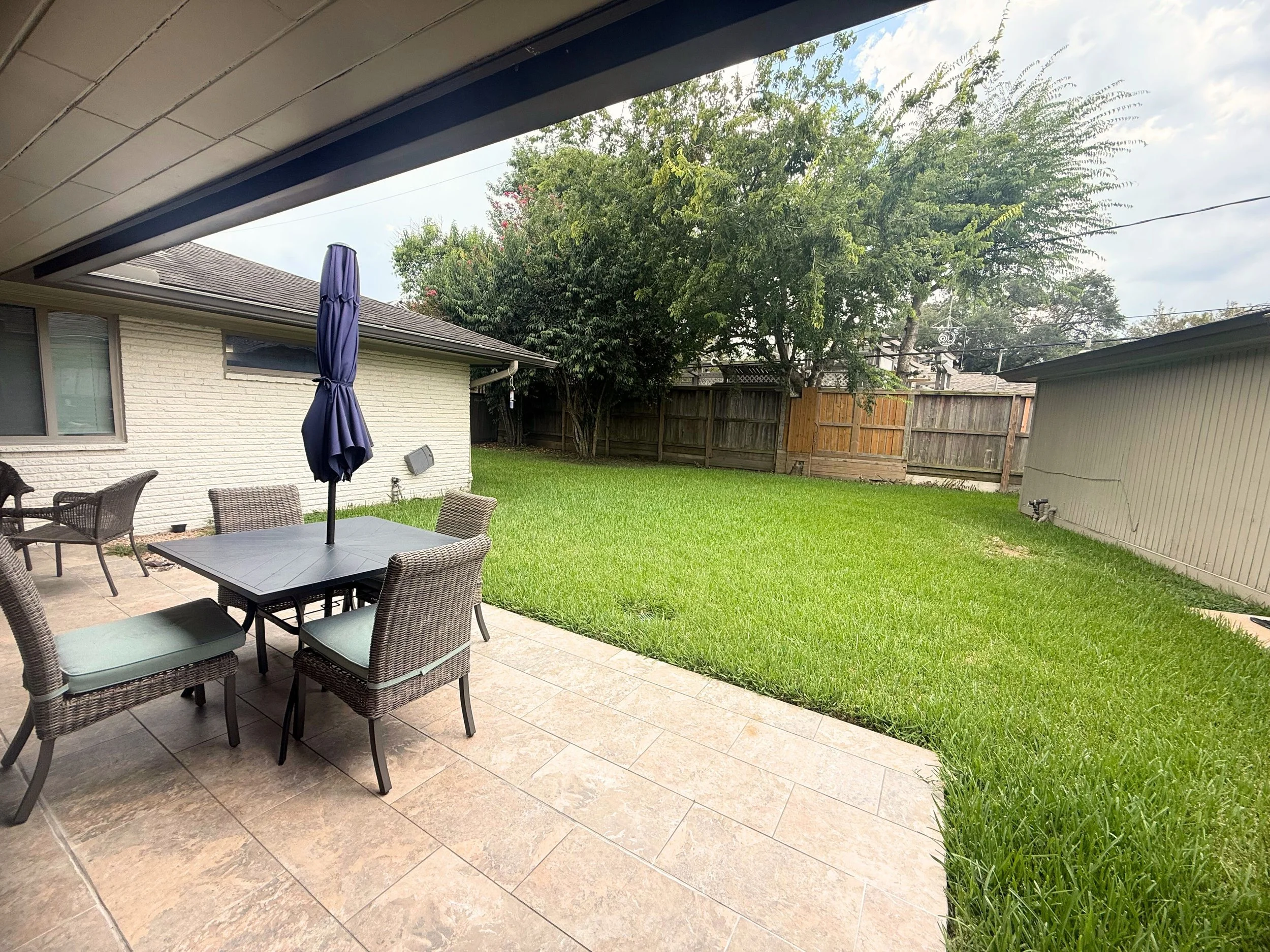
Our properties are located in the West University, Bellaire and Meyerland areas in calm, residential neighborhoods with short, highway-free commutes to MD Anderson. Less time in traffic and more time resting between appointments makes a real difference over weeks of treatment.
What Do You Need to Prepare Before Your First MD Anderson Visit?
Before your first MD Anderson visit, gather your photo ID, insurance card, prescription drug card, and a complete list of current medications and supplements. Set up your MD Anderson MyChart account and upload medical records in advance. Bring a written list of questions for your care team. Having everything organized before arrival speeds up registration and keeps your first appointments focused on treatment, not paperwork.
The administrative side of an MD Anderson visit is more involved than a typical doctor appointment. Most patients come from out of state or internationally, and the registration process draws on records from previous providers. The more you upload and organize in advance, the less time gets spent catching up at check-in.
Here is what to gather before you arrive:
Photo ID and insurance card (including prescription drug coverage)
Completed MyChart pre-appointment questionnaires
Medical records from all previous providers
A full list of current medications, doses, and supplements
Your complete surgical and procedure history
Family medical history and chronic condition notes
Contact information for every specialist currently involved in your care
A written or typed list of questions for your care team
MD Anderson recommends uploading a photo to your medical record through MyChart before arriving to simplify the registration process further.
For answers to other first-visit questions including referrals, what to expect from your care team, and transportation, the first-visit FAQs guide for MD Anderson patients covers those topics in detail.
How Long Will You Need Housing Near MD Anderson?
Most patients need housing near MD Anderson for significantly longer than they initially expect. The initial evaluation alone takes one to five business days. Active treatment runs four to seven weeks for radiation therapy (five days per week) or spans several months for chemotherapy. Booking housing at least four to six weeks before your first appointment and choosing a lease with flexible extension options protects you when timelines shift.
MD Anderson itself acknowledges the range by advising patients to keep travel plans flexible. That phrasing covers a wide reality.
Here is what the typical durations look like by treatment type:
Initial evaluation and diagnosis: 1 to 5 business days
Radiation therapy: typically 4 to 7 weeks, five sessions per week, with each session lasting 10 to 20 minutes
Breast cancer radiation specifically: 3 to 6 weeks of daily outpatient treatments following lumpectomy or mastectomy
Chemotherapy cycles: weekly to monthly sessions, often continuing for several months
Post-surgical recovery and follow-up: typically 2 to 4 weeks minimum, depending on the procedure
The consistent pattern is that treatment duration shifts. Extensions happen. Having housing that accommodates a week-by-week extension without requiring a full new lease negotiation is one of the most practical things you can plan for before you arrive.
Texas Medical Center housing options designed for healthcare-adjacent long stays include flexible lease structures as a standard feature, not an exception.
What to Pack for a Multi-Week Cancer Treatment Stay
Packing for a two-week hotel stay and packing for a multi-week treatment stay are two entirely different tasks. The physical realities of treatment change what you need in ways that are not obvious until you are dealing with them.
Clothing that works with treatment:
Button-down or front-zip tops are strongly recommended by both MD Anderson and experienced patients. IV lines, wires, and monitoring leads make pullover clothing genuinely difficult to manage. Elastic-waist pants and pajamas are equally practical. Your body may change size during treatment, and elastic waistbands accommodate that without requiring new clothing mid-stay. Bring more clothing than you think you need - in-unit laundry solves most of the gap if your housing includes it, but having five to six days of clothing without laundry is a safe buffer.
Comfort and emotional items:
Your own pillow is worth the suitcase space. Familiar items - family photographs, a comfort object, or for patients with children, a stuffed animal or piece of their artwork - have a measurable impact on how a long treatment stay feels. Veteran patients consistently cite bringing something that connects them to home as one of their most useful decisions.
Tech and practical items:
Long charging cords matter more than they seem when hospital outlets are not positioned conveniently. Headphones, a tablet or laptop, and whatever keeps you focused during long treatment sessions all earn their weight. A refillable water bottle is easier to carry between appointments than disposable bottles.
Use wheeled luggage for stays over a weekend. Carrying heavy bags while fatigued from treatment is avoidable with the right bags.
- Photo ID and insurance card
- Prescription drug coverage card
- Complete medications and supplements list
- MyChart app downloaded and set up
- Medical records uploaded to MyChart
- Written list of questions for care team
- Note-taking app or small notebook
- Button-down or front-zip tops (5-6 days minimum)
- Elastic-waist pants and pajamas
- Supportive, non-skid closed-toe shoes
- Robe and slippers for home use
- Light sweater or cardigan (waiting rooms run cool)
- Socks and underwear (5-6 days minimum)
- Your own pillow
- Family photographs or comfort items
- Tablet or laptop
- Phone and tablet chargers (long cords)
- Headphones or earbuds
- Books, hobby items, or entertainment
- Wheeled luggage (avoids heavy carrying)
- Gentle lotion and moisturizer (bring extra)
- Full toiletry set
- Refillable water bottle
- Healthy snacks and fruit
- Small bag for jewelry (to prevent loss during tests)
- Any specialty care items for your treatment type
What Amenities Matter Most in Housing Near MD Anderson?
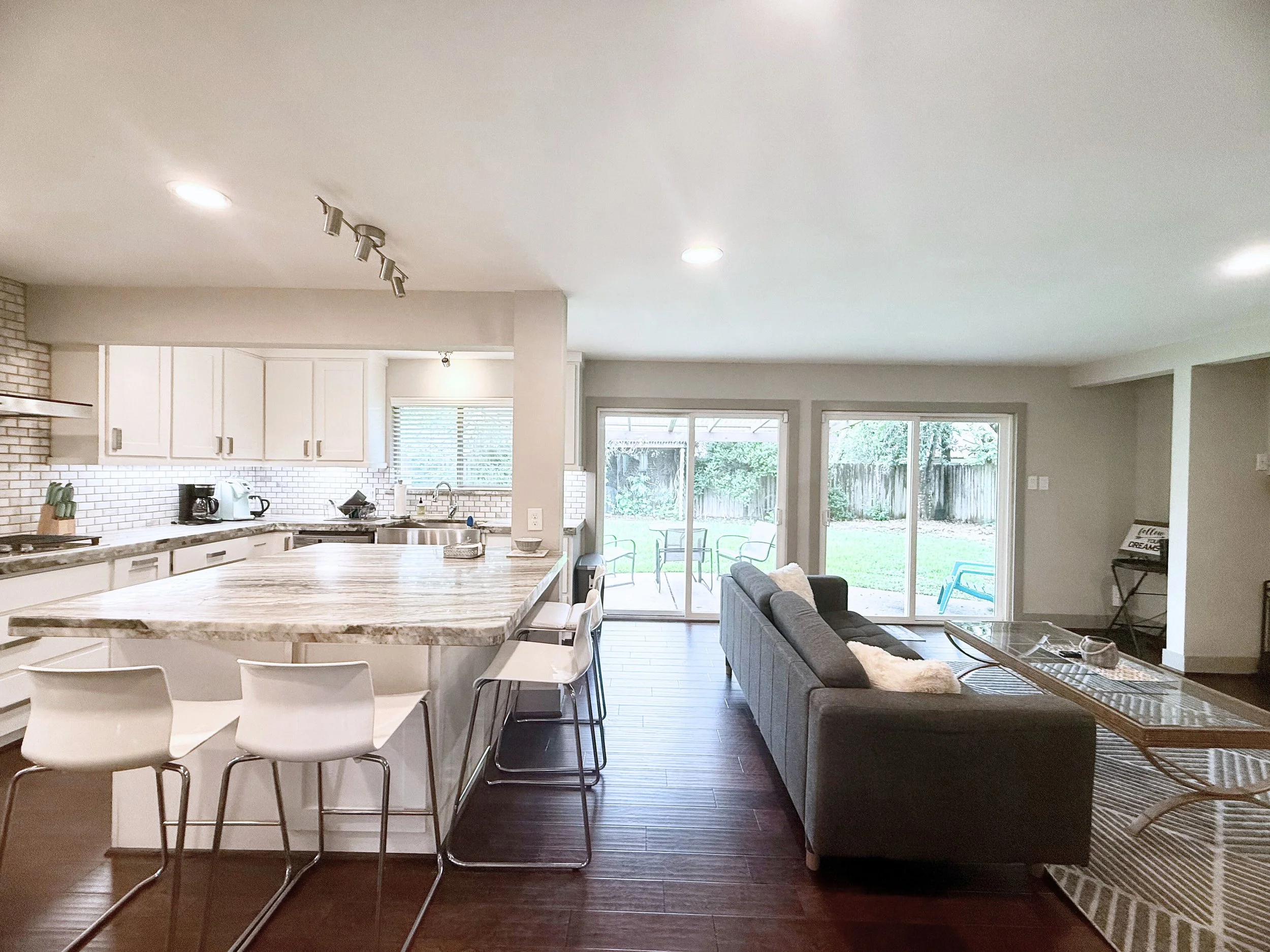
For multi-week cancer treatment stays, the most important housing amenities are a full kitchen, in-unit laundry, reliable Wi-Fi, private surroundings, and flexible lease terms. A full kitchen lets patients manage treatment-specific diets without eating out for every meal. In-unit laundry prevents clothing buildup during a period when managing everything else already takes energy. Wi-Fi supports MyChart access, telehealth check-ins, and staying connected with family.
Beyond those core four, a few additional amenities shift from "nice to have" to genuinely important over an extended medical stay.
Parking included:
Most MD Anderson outpatients have multiple appointments per week. Reliable, secure parking at your housing removes one variable from every early-morning departure.
Flat, all-inclusive monthly pricing:
When utilities and Wi-Fi are bundled into a single monthly rate, you know your full housing cost once and do not revisit it. Separate utility bills create unpredictable monthly totals that are harder to budget, particularly when other treatment-related costs are already variable.
Pet-friendly policy:
Many patients bring emotional support animals or cannot leave pets behind for weeks at a time. Confirming the pet policy before signing avoids a last-minute problem at an already difficult moment. Some providers accommodate pets with no additional fee. Others charge a pet deposit or restrict by size or breed. Get this in writing before you commit.
Private entry and a quiet neighborhood:
After appointments, coming home to a quiet, private space with a real door to close is not a small thing over four to six weeks of daily treatment. The ability to rest without hotel hallway noise or shared lobbies affects both patient and caregiver recovery between sessions.
Hotel vs. Furnished Home: Which Makes More Sense for a Treatment Stay?
For initial evaluation visits of one to three days, a hotel near the Texas Medical Center is a reasonable choice. For active treatment lasting several weeks or months, the comparison changes in four specific ways.
Cost per night drops at monthly rates:
Standard hotel rooms near the Medical Center run $120 to $200 per night plus taxes and fees. A furnished home on a monthly lease brings the effective nightly rate down considerably, often by 20-30% or more for stays of four weeks or longer. The longer the treatment, the larger that benefits become.
A kitchen reduces daily expenses significantly:
Eating out for every meal over six weeks adds real cost, particularly when treatment affects appetite, energy, and dietary needs. A full kitchen with stocked appliances means you control what you eat, when you eat, and how much you spend each day. The daily savings from cooking at home routinely exceed the cost difference between a hotel and a furnished home.
Separate living space reduces caregiver fatigue:
Two people sharing a single hotel room for weeks under significant stress is physically and emotionally draining in ways that compound over time. A furnished home with separate living and sleeping areas gives both patient and caregiver space to decompress between appointments. That separation becomes more valuable, not less, as a treatment course extends.
A home environment supports recovery:
This is harder to measure but consistently reported by patients and families. Having a place that functions as a home rather than an extended checkout counter provides a psychological anchor during treatment. It is one of the most common themes in testimonials from patients who stayed in furnished homes versus hotels.
For a detailed breakdown of all lodging options near MD Anderson with pricing, the complete MD Anderson lodging guide covers Hope Lodge, Rotary House, hotels, and furnished homes side by side.
Questions to Ask Before Booking MD Anderson Patient Housing
Before booking housing near MD Anderson, confirm these specifics: minimum lease length and extension process, whether utilities and Wi-Fi are included in the monthly rate, parking availability, pet policy, early departure terms, and exact distance from the MD Anderson main campus and the Mays Clinic. Getting clear answers to these questions before signing eliminates the most common sources of mid-treatment housing friction.
Most providers familiar with MD Anderson patients will answer these questions directly. Vague answers on extensions or pricing tend to create friction later, so clarity upfront is worth asking for.
Additional questions worth confirming:
Who do you contact for maintenance or issues during your stay? Is there a direct line?
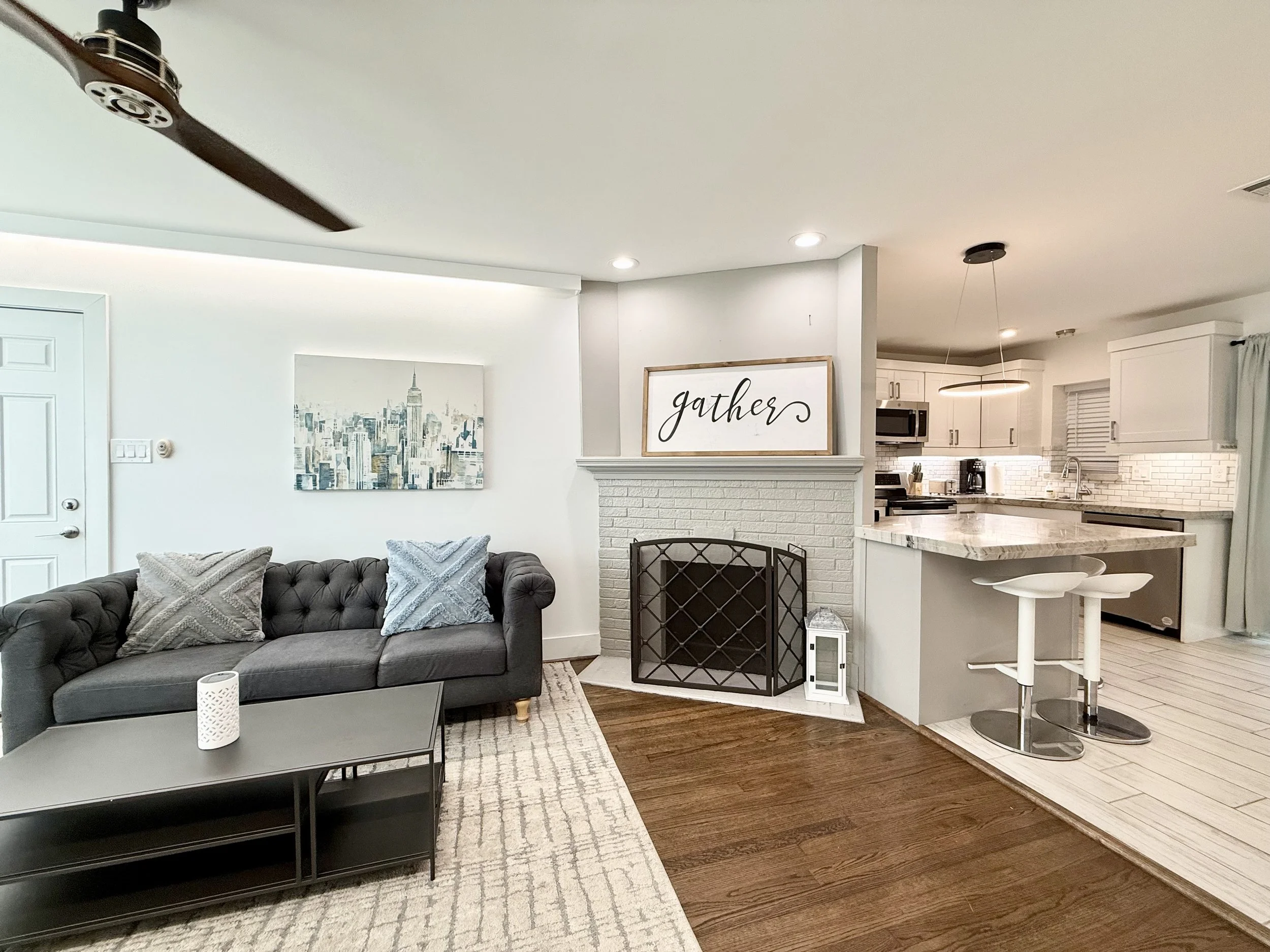
What exactly is included in "furnished"? (Furniture is not always the same as cookware, linens, towels, and adequate storage.)
Is there a security deposit? Under what conditions is it fully returned?
Can the property accommodate two people comfortably? (Caregiver presence is common for longer stays.)
Is the lease structure the same for a 4-week and a 12-week stay, or do terms change?
Our MD Anderson rental homes are set up specifically for treatment-length stays. Lease terms, extension policies, and all-inclusive pricing are laid out clearly before you book, not after.
When you are ready to compare options or ask about availability, the furnished homes near MD Anderson page lists current properties with their proximity to the Mays Clinic and main campus.
Wrapping Up
Arriving at MD Anderson prepared means you can focus on treatment, not logistics. The packing list and housing checklist in this guide cover the two decisions most patients wish they had addressed earlier.
Bookmark this page and share it with anyone helping you plan. The checklists above are yours to save and reference at any point before or during your stay.
When you are ready to find housing that fits your treatment timeline, our team is here to help match you with the right home. Browse available Houston properties or reach out directly. We have helped hundreds of patients and families find their home near MD Anderson, and we understand the details that matter most during treatment.
Frequently Asked Questions
How early should I book housing for MD Anderson cancer treatment?
Book as early as possible, ideally four to six weeks before your first appointment. Treatment timelines at MD Anderson often extend beyond initial estimates, and housing near the Medical Center fills up quickly. Choosing a provider with flexible extension options lets you start with a shorter lease and add time without renegotiating from scratch.
Does MD Anderson provide housing for patients?
MD Anderson operates the Rotary House International hotel on campus, managed by Marriott, which is available exclusively to patients and their families with a valid MRN (medical record number). MD Anderson also maintains an official lodging list with preferred hotels and partner housing options. For extended treatment stays, private furnished homes in nearby Bellaire and Meyerland provide more space and kitchen access at lower effective nightly rates than hotel options.
What should I bring to my first MD Anderson appointment?
Bring your photo ID, insurance card, prescription drug card, and a complete list of current medications and supplements. Set up MyChart before arriving and upload medical records and a photo to your account. Bring a written list of questions for your care team, comfortable clothing and supportive shoes, and a way to take notes during appointments. A sweater or light blanket is practical for waiting areas that run cool.
Can I bring my pet to furnished housing near MD Anderson?
Many furnished housing providers near MD Anderson accommodate pets, including emotional support animals, but policies vary by property. Luxurway offers pet-friendly homes and is transparent about deposit requirements and restrictions before you book. Confirm the pet policy in writing before signing any lease, as this is one of the most common sources of mid-stay friction for patients who did not verify in advance.
How do I extend my housing if my treatment runs longer than expected?
With Luxurway, extensions are handled on a rolling basis with straightforward notice. There is no requirement to sign a full new lease for an extension. Most extensions process within a few days of your request. If you anticipate a possible extension before your stay begins, it is worth asking your housing provider about their process upfront so you know exactly what to expect and how much notice they need.
Fully furnished private homes in Bellaire and Meyerland. Flexible leases, all-inclusive pricing, and extensions that match your treatment schedule, not a landlord's calendar.