
HOUSES AND APARTMENTS
Featured homes
A few furnished homes in the Texas Medical Center.
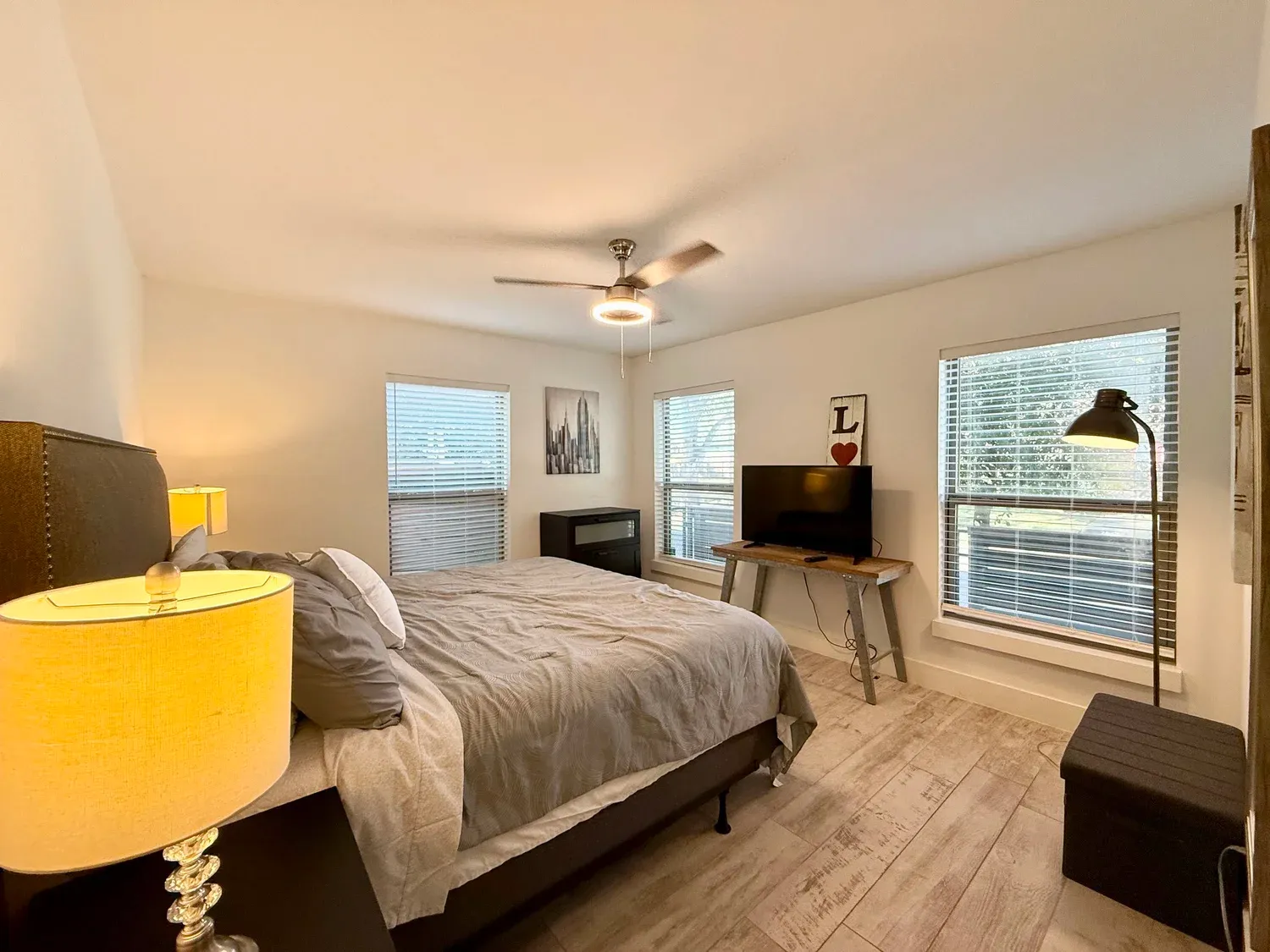
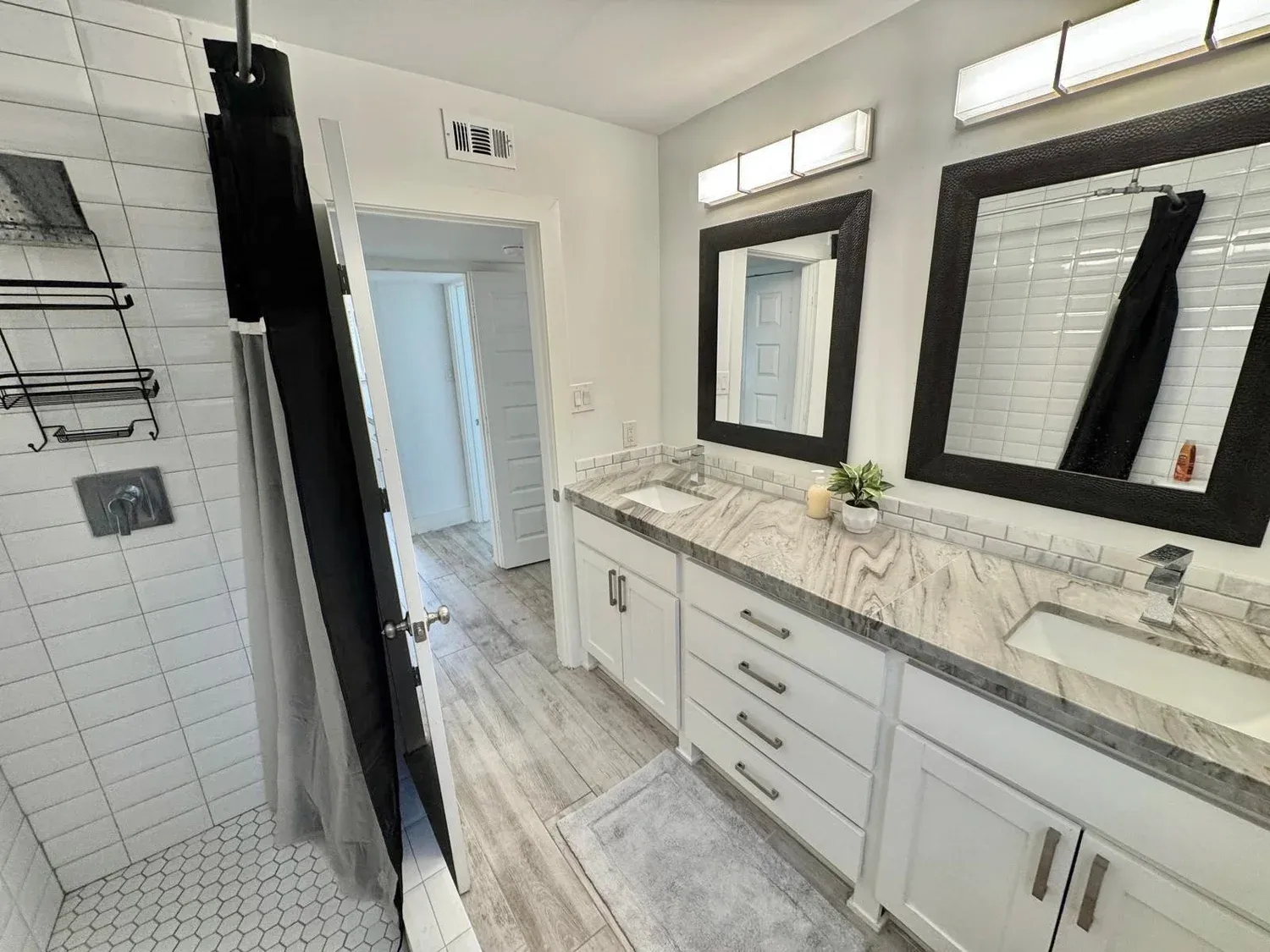
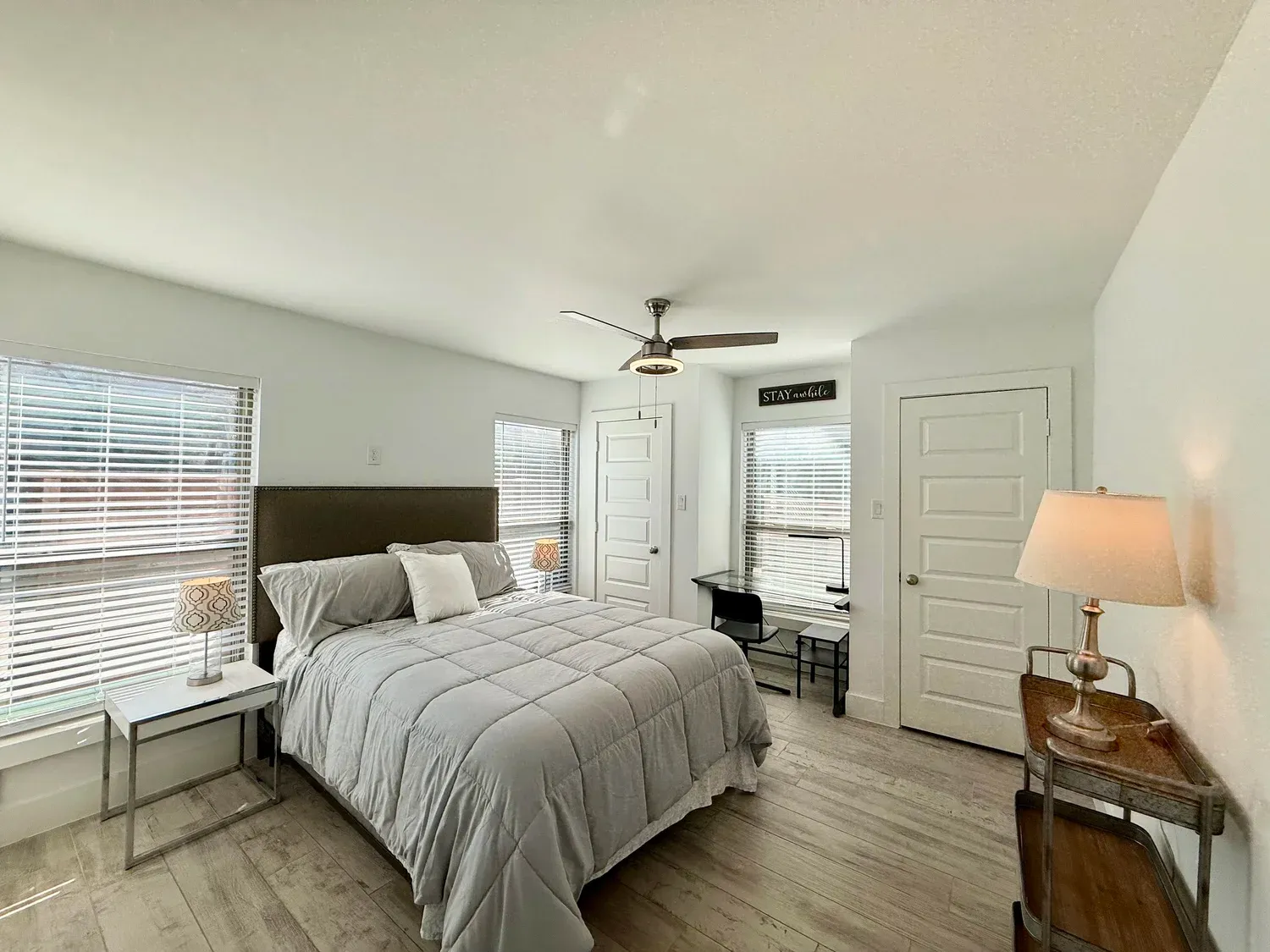
Texas Medical Center Area
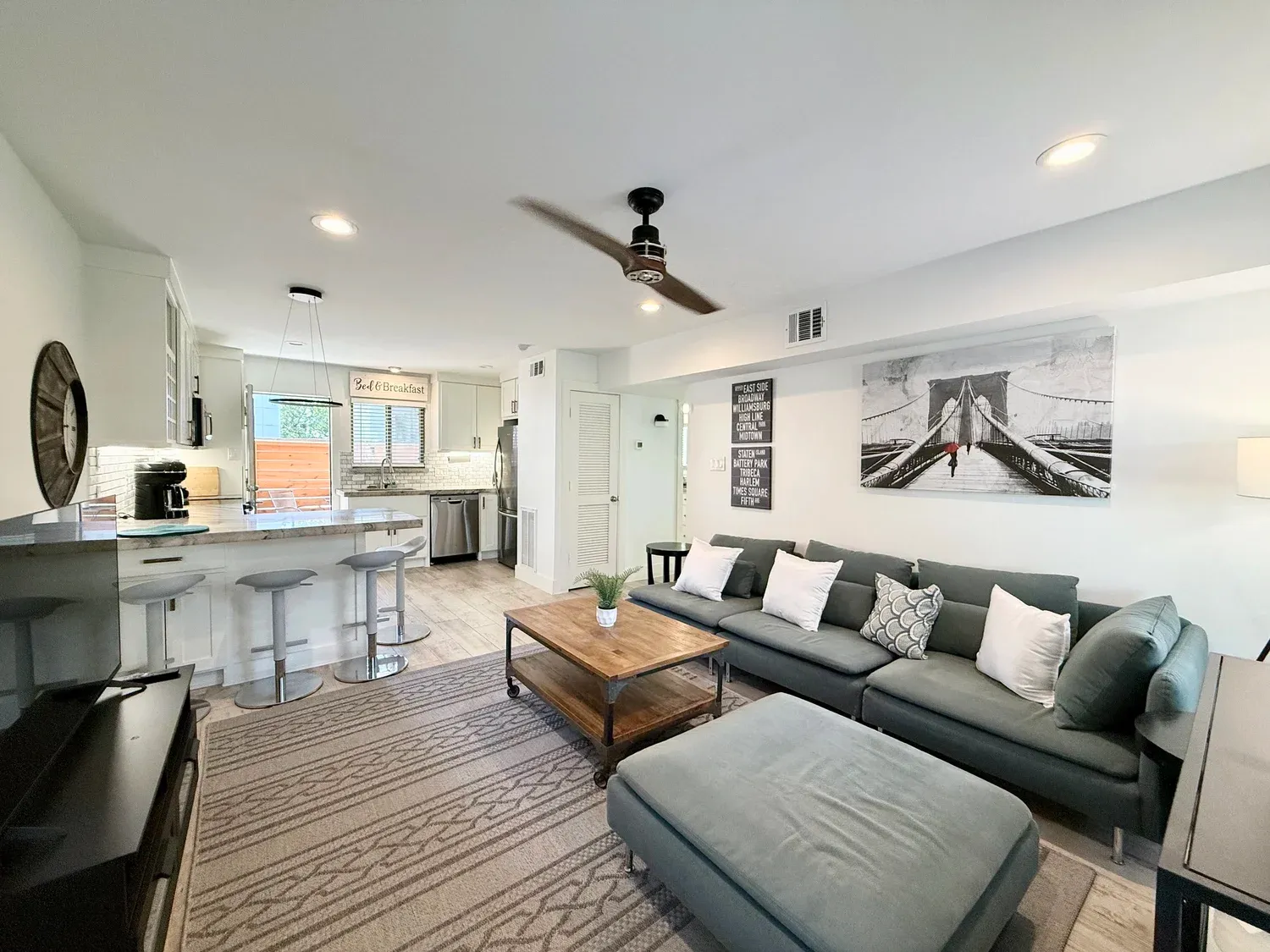
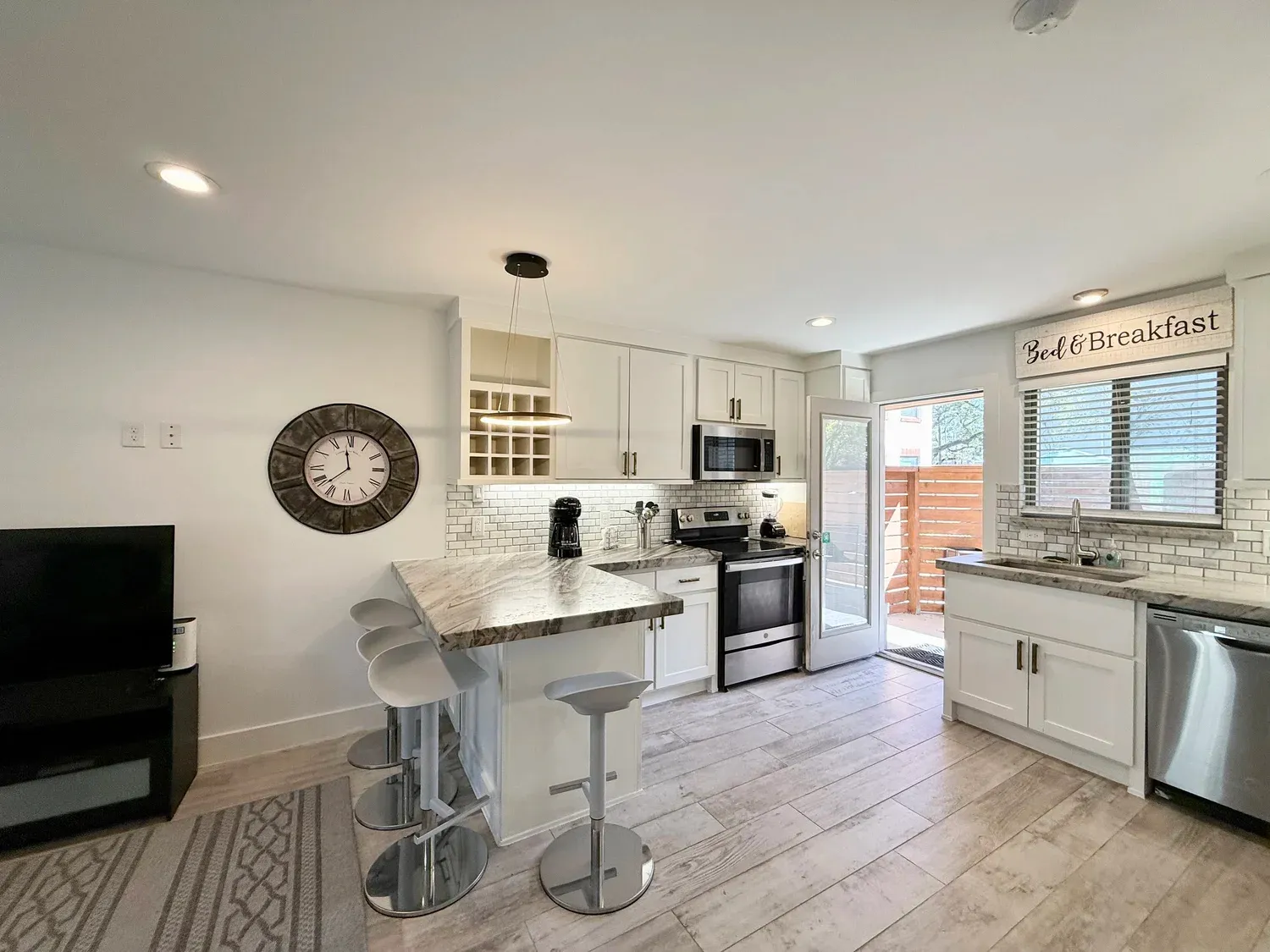
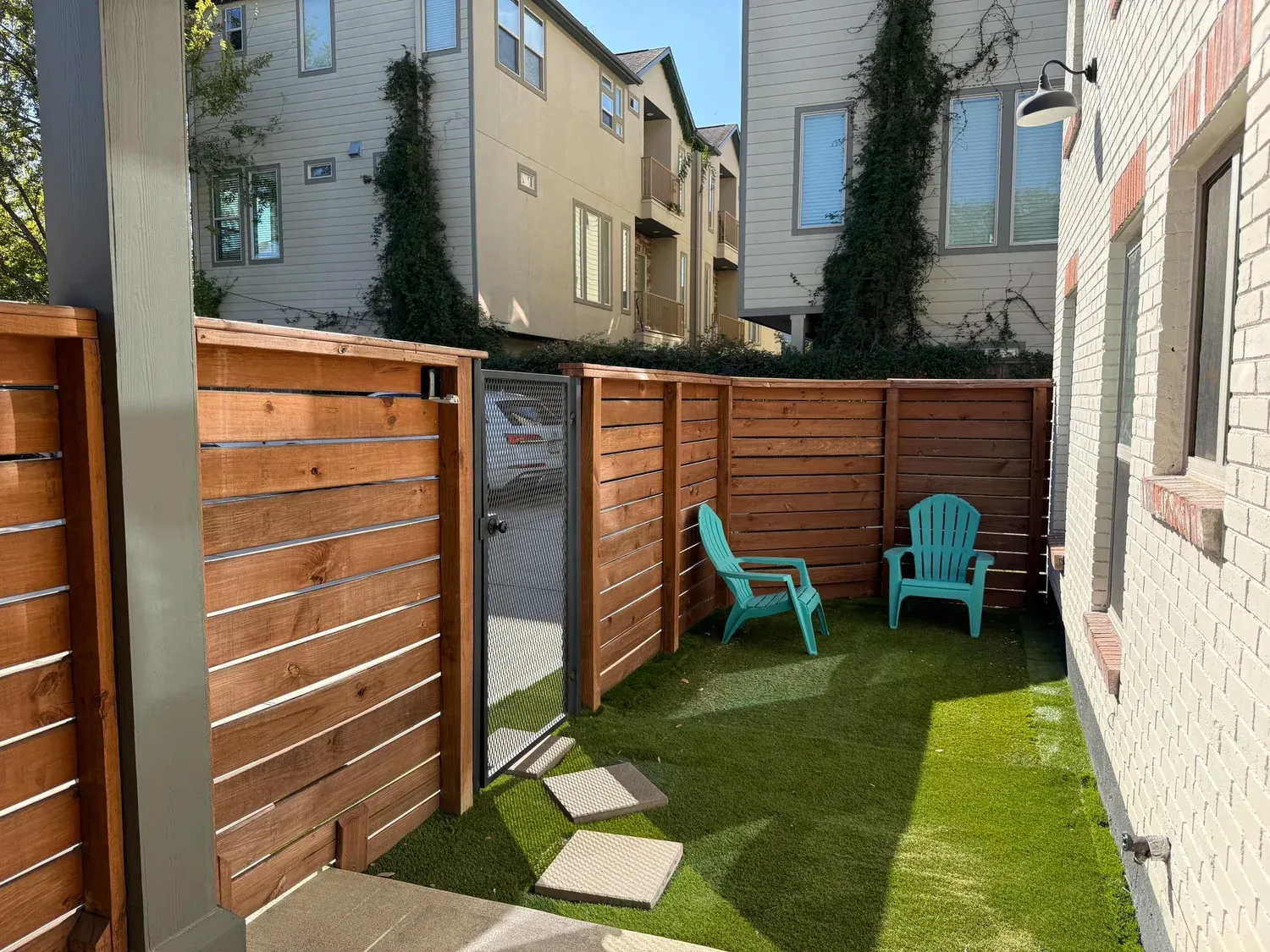
Med Center Retreat
- Ground floor
- Patio
$4,250 per 30 nights
Plus a one-time $350 cleaning fee.
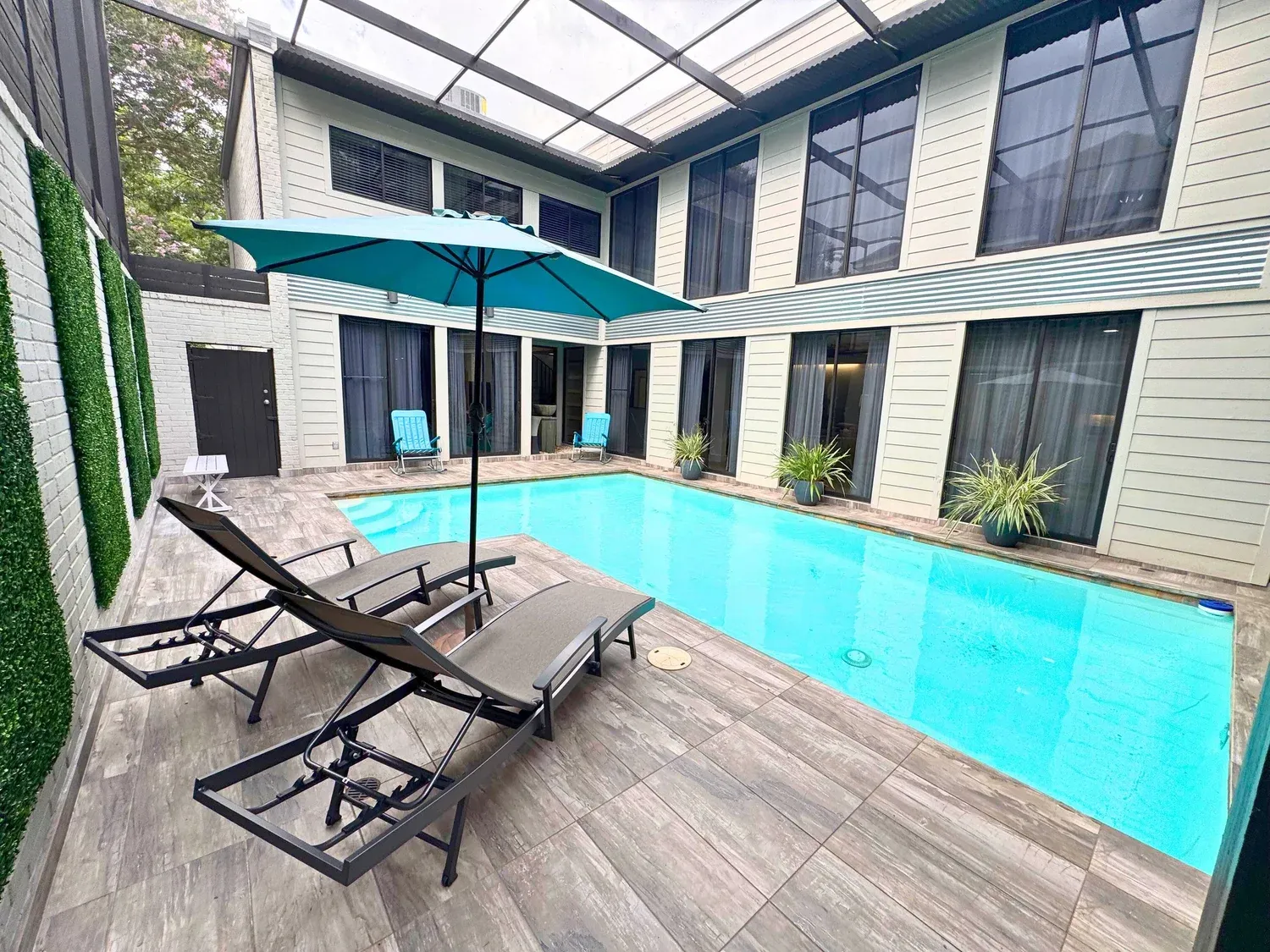
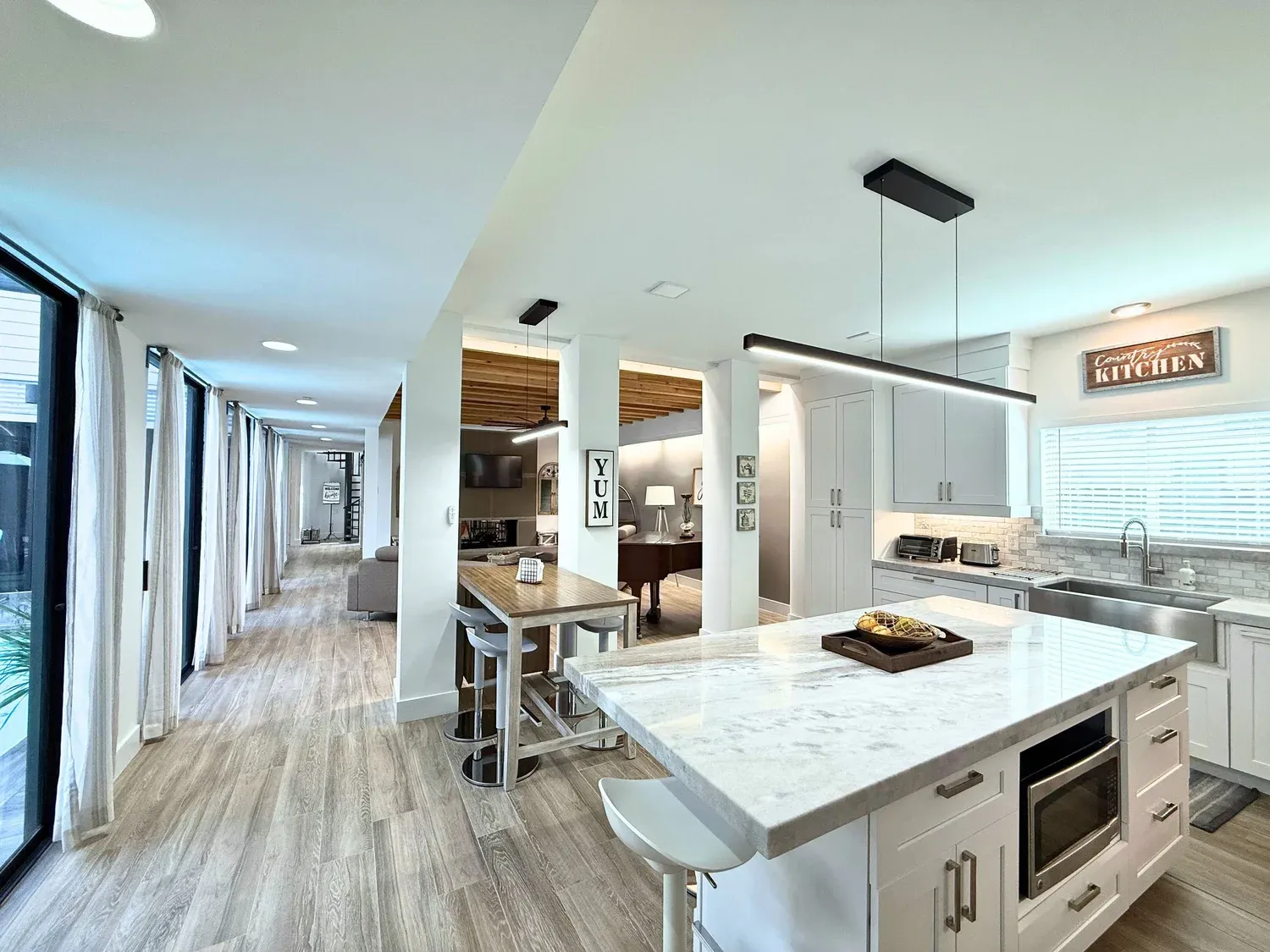

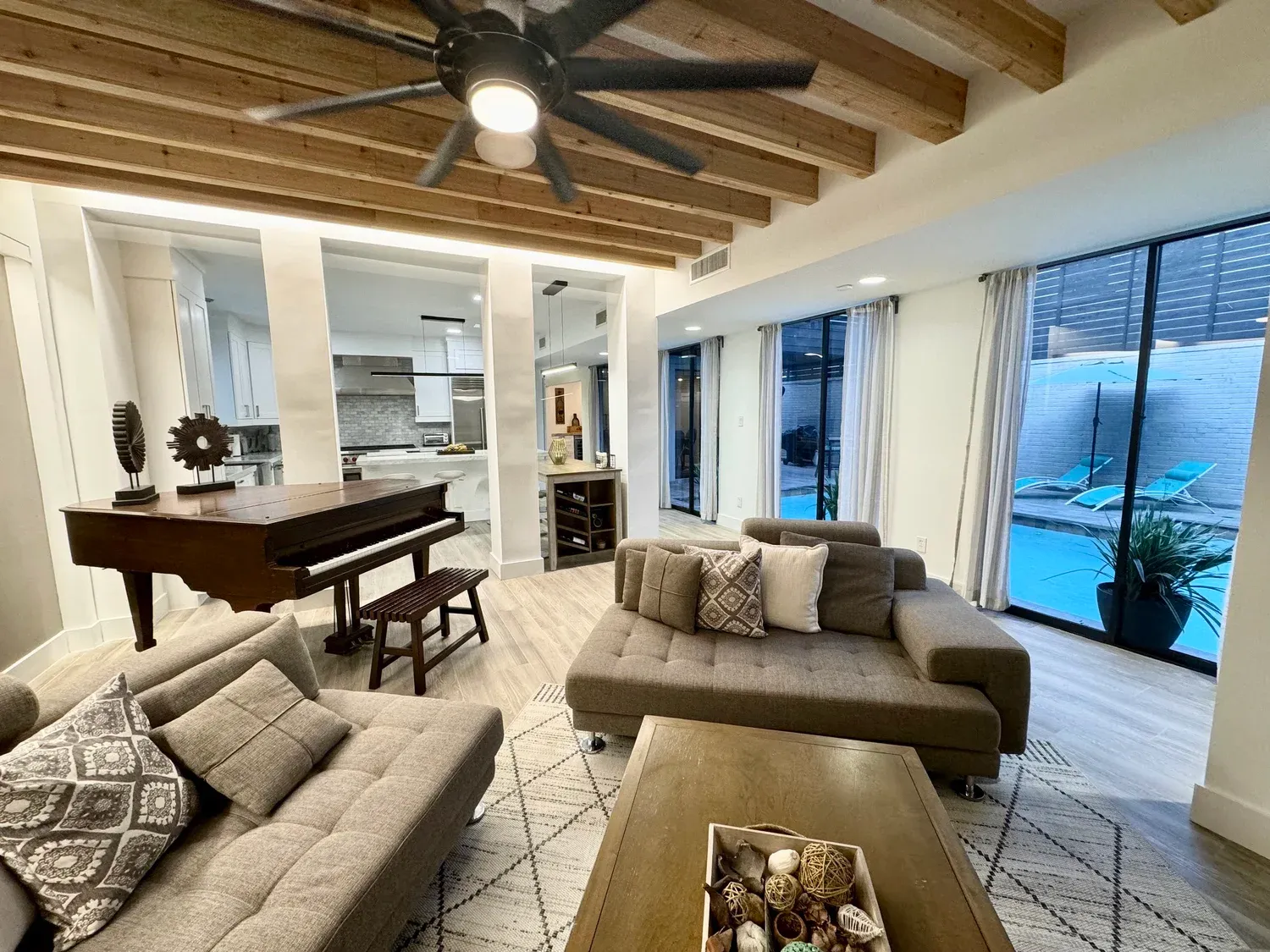
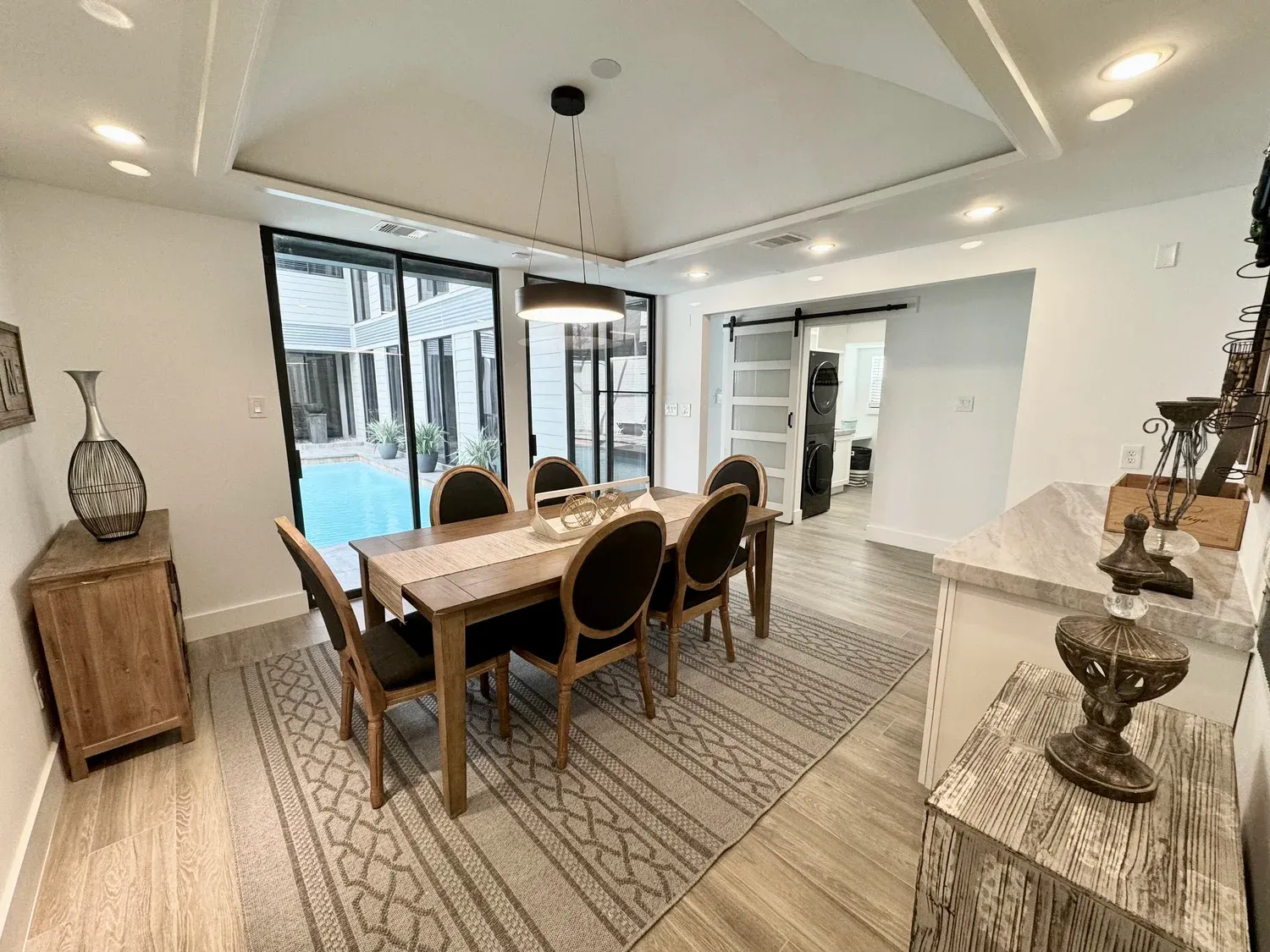
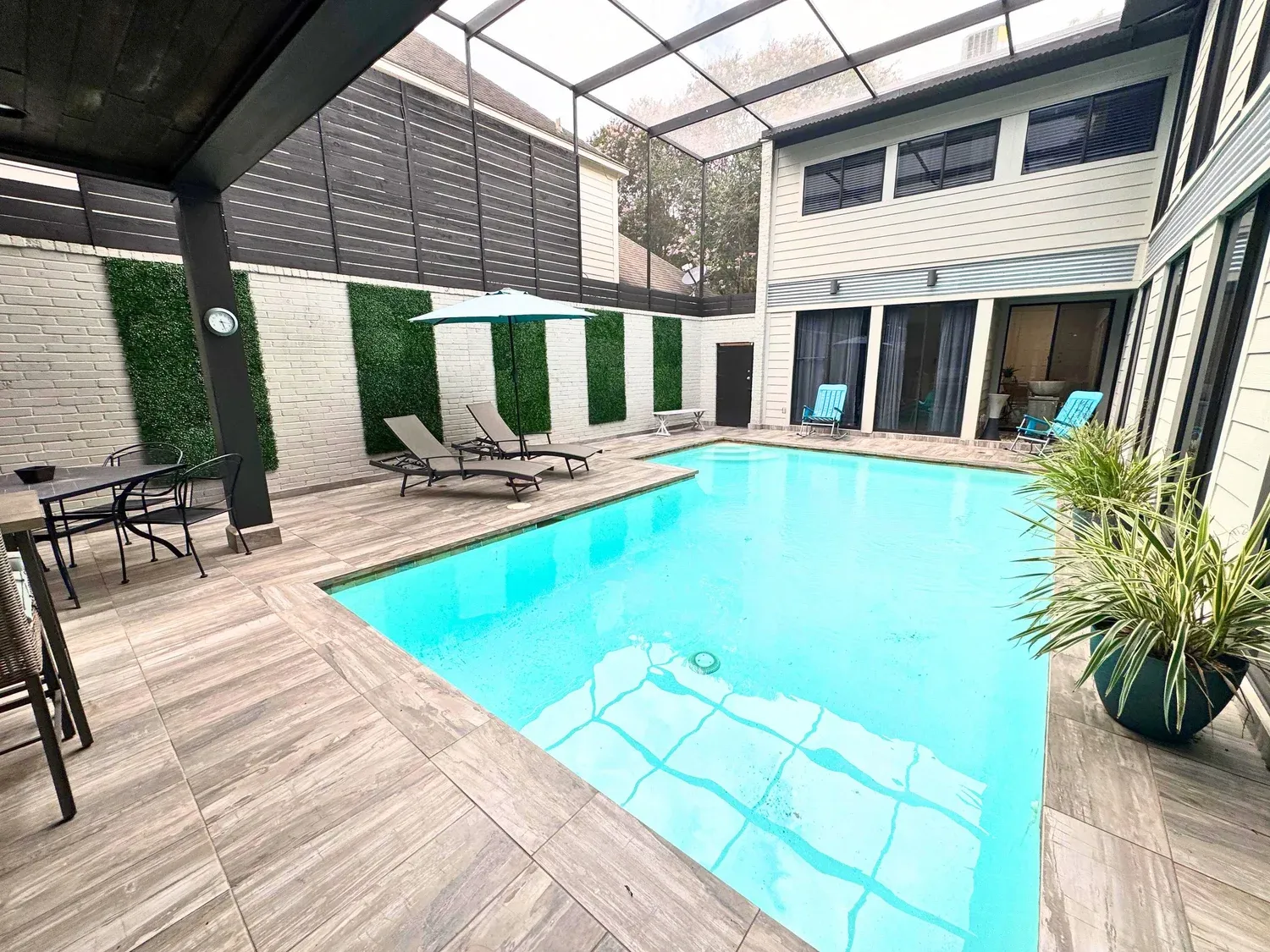
Texas Medical Center Area / West University / Southgate area
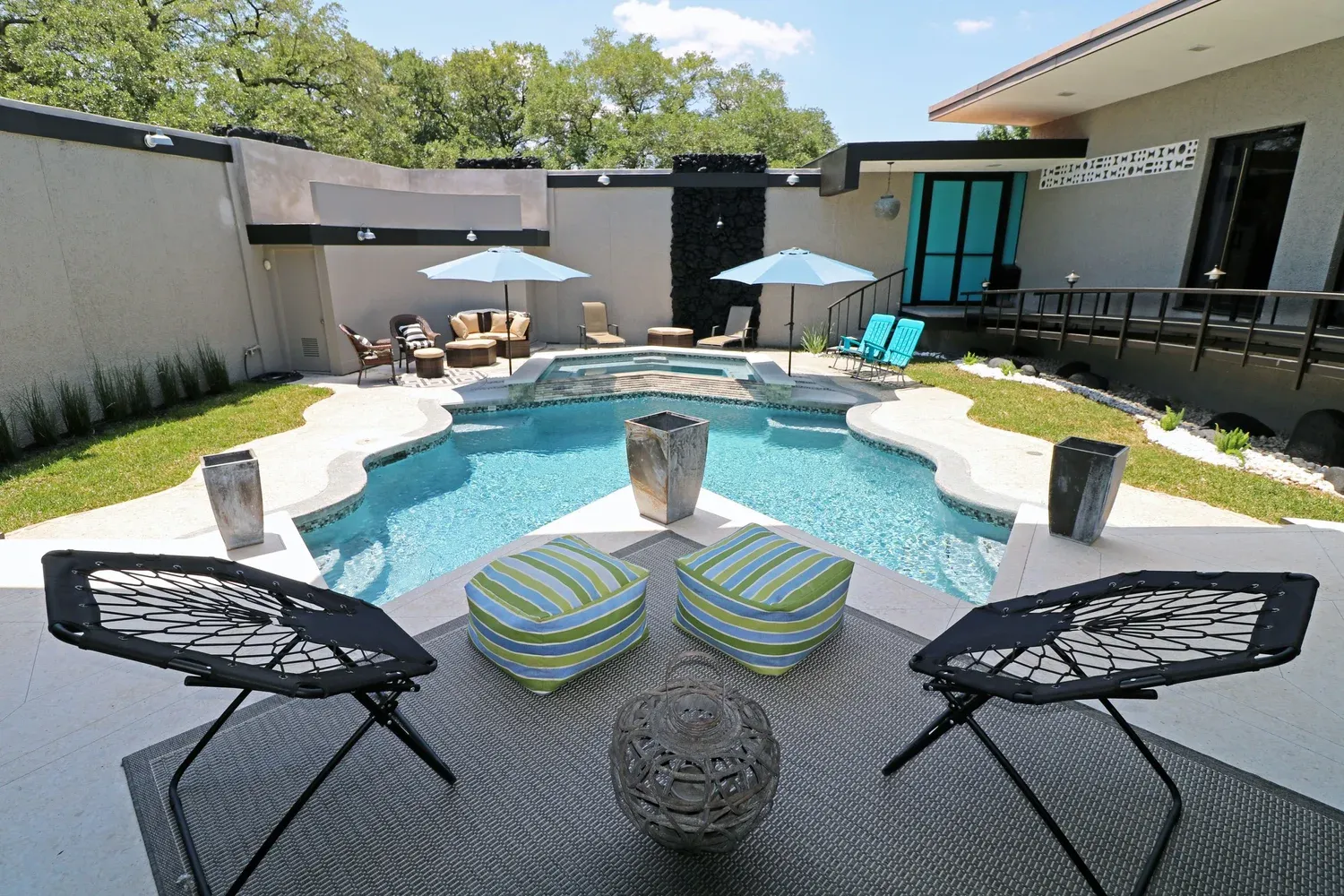
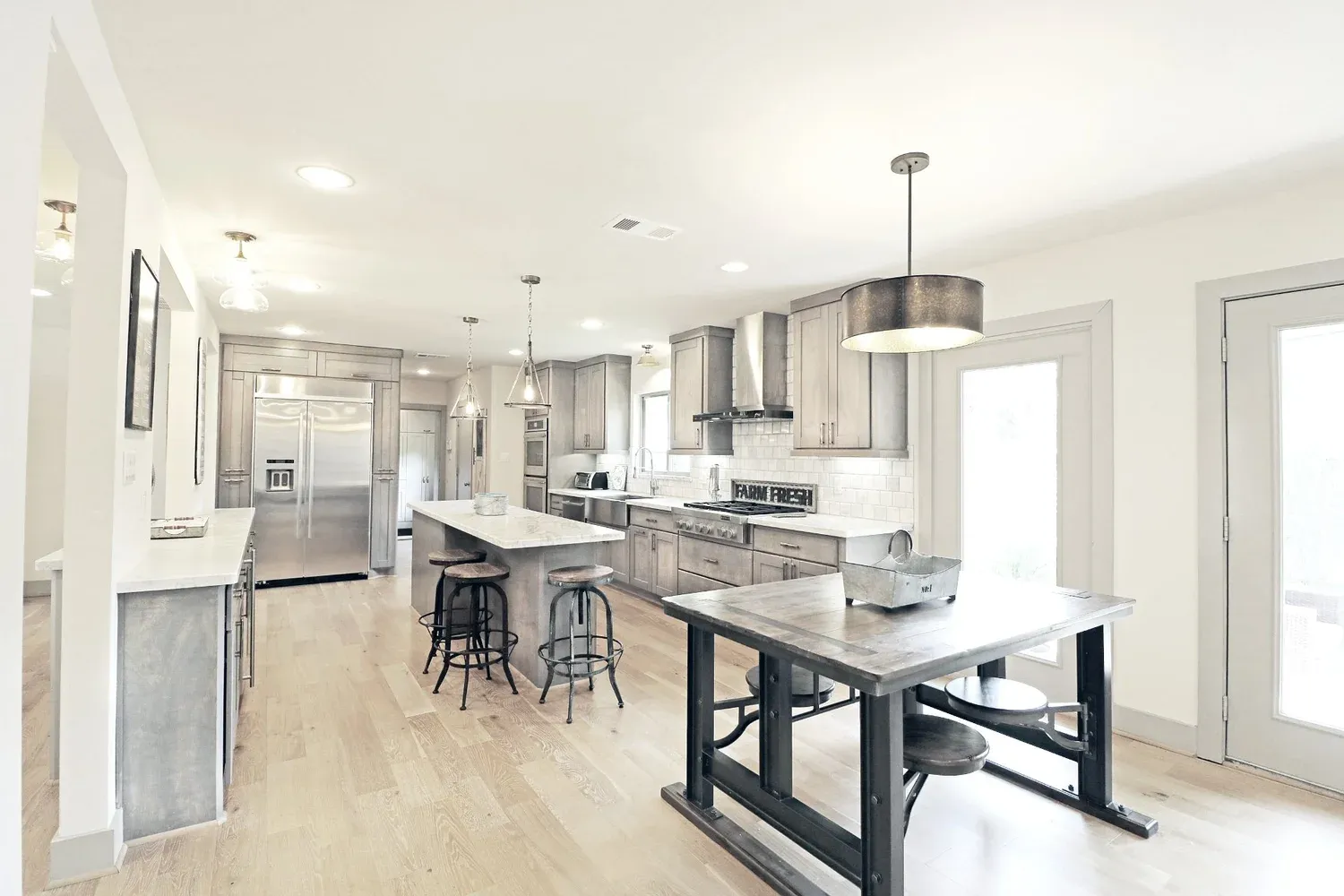
Villa Sorrento
- Two story
- Private Pool
- Fenced Yard
$16,000 per 30 nights
Plus a one-time $350 cleaning fee.
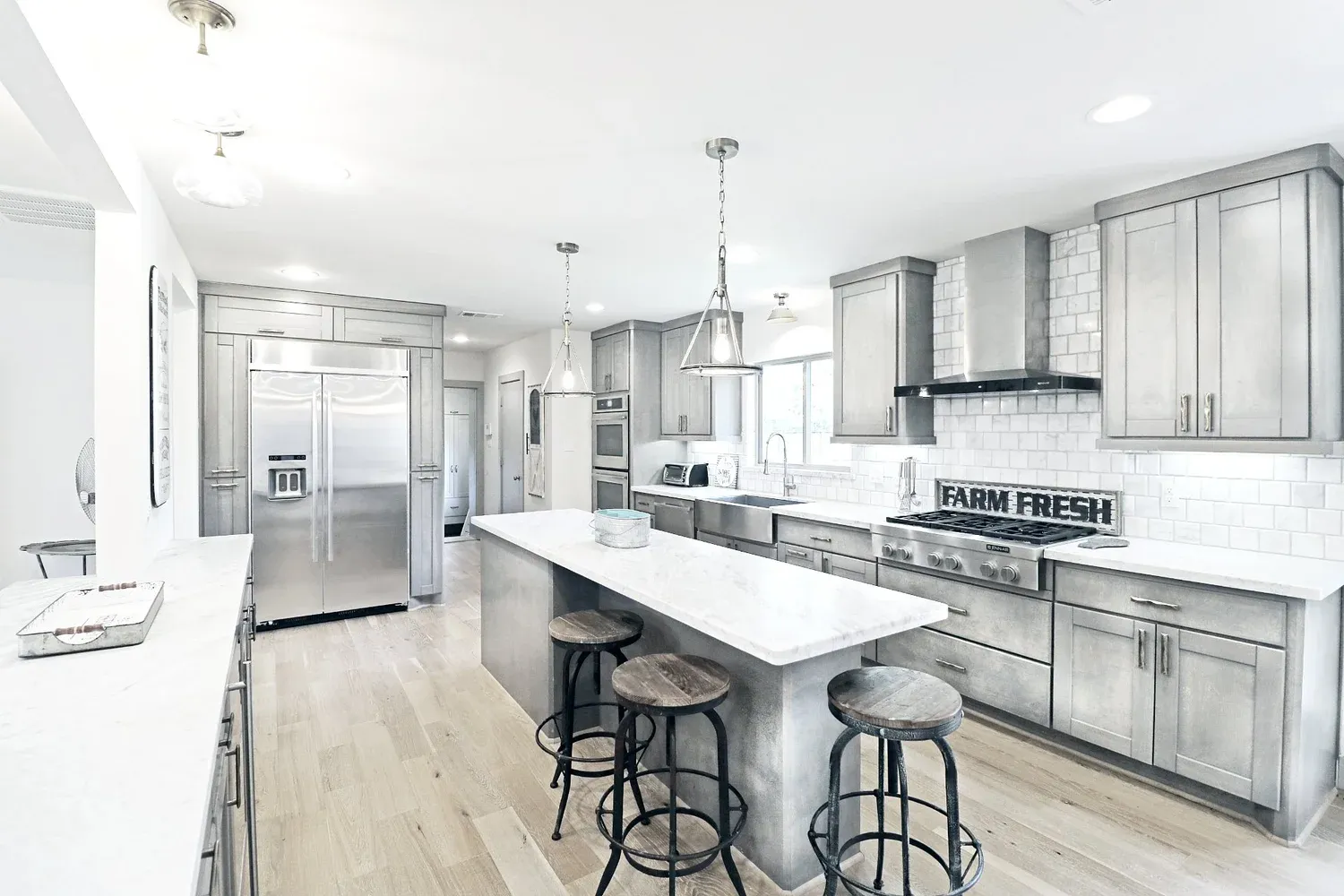

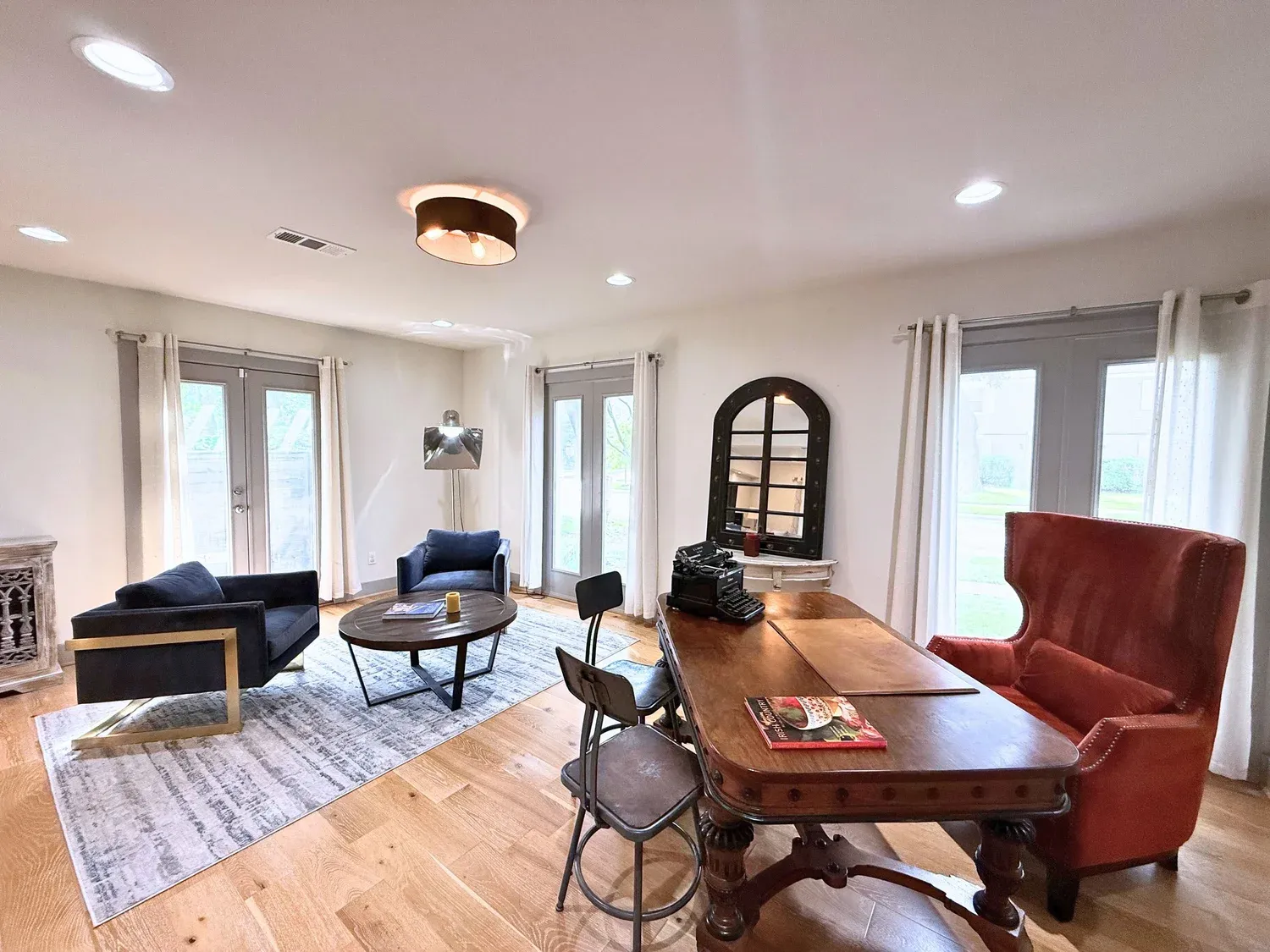
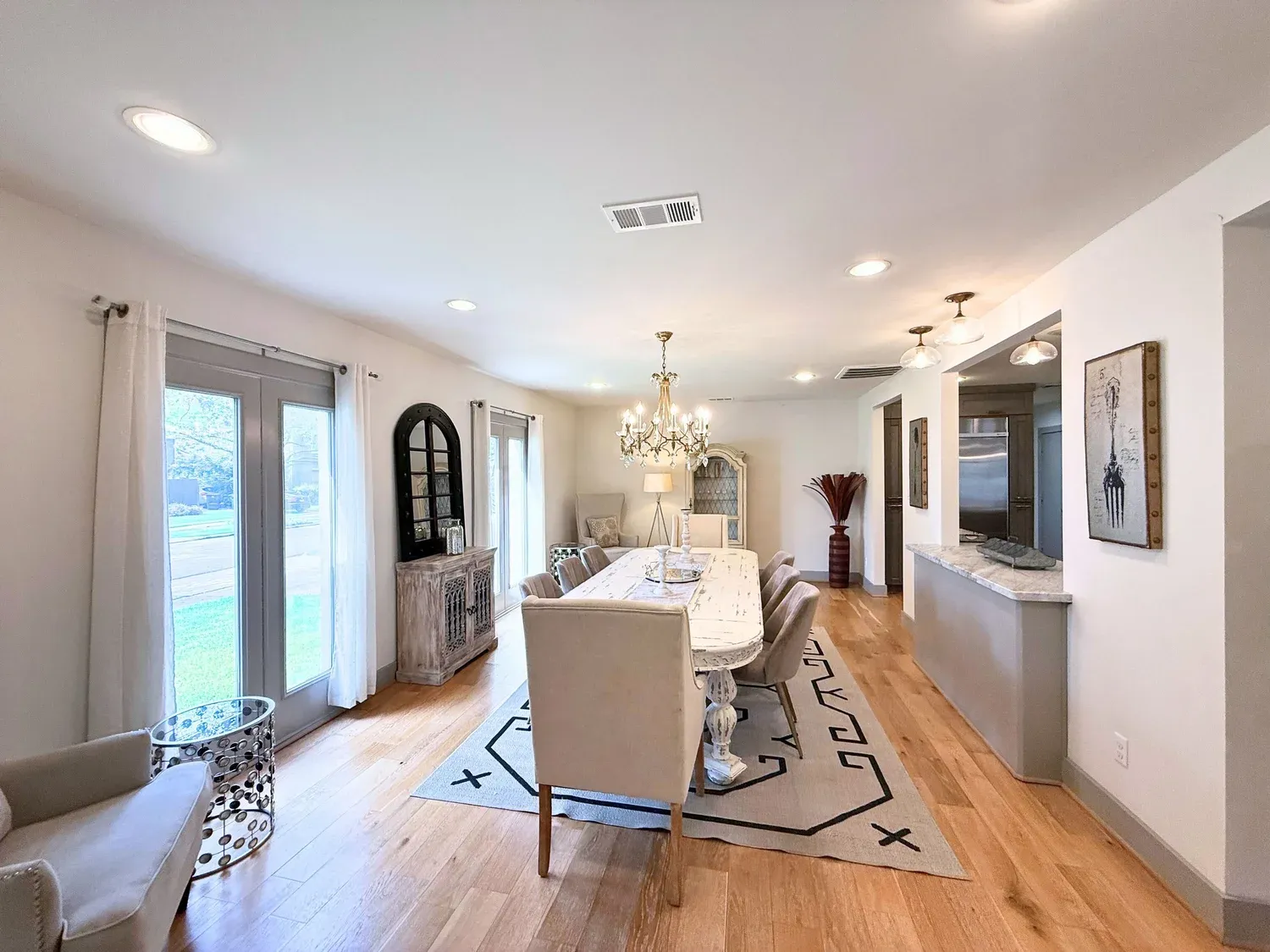
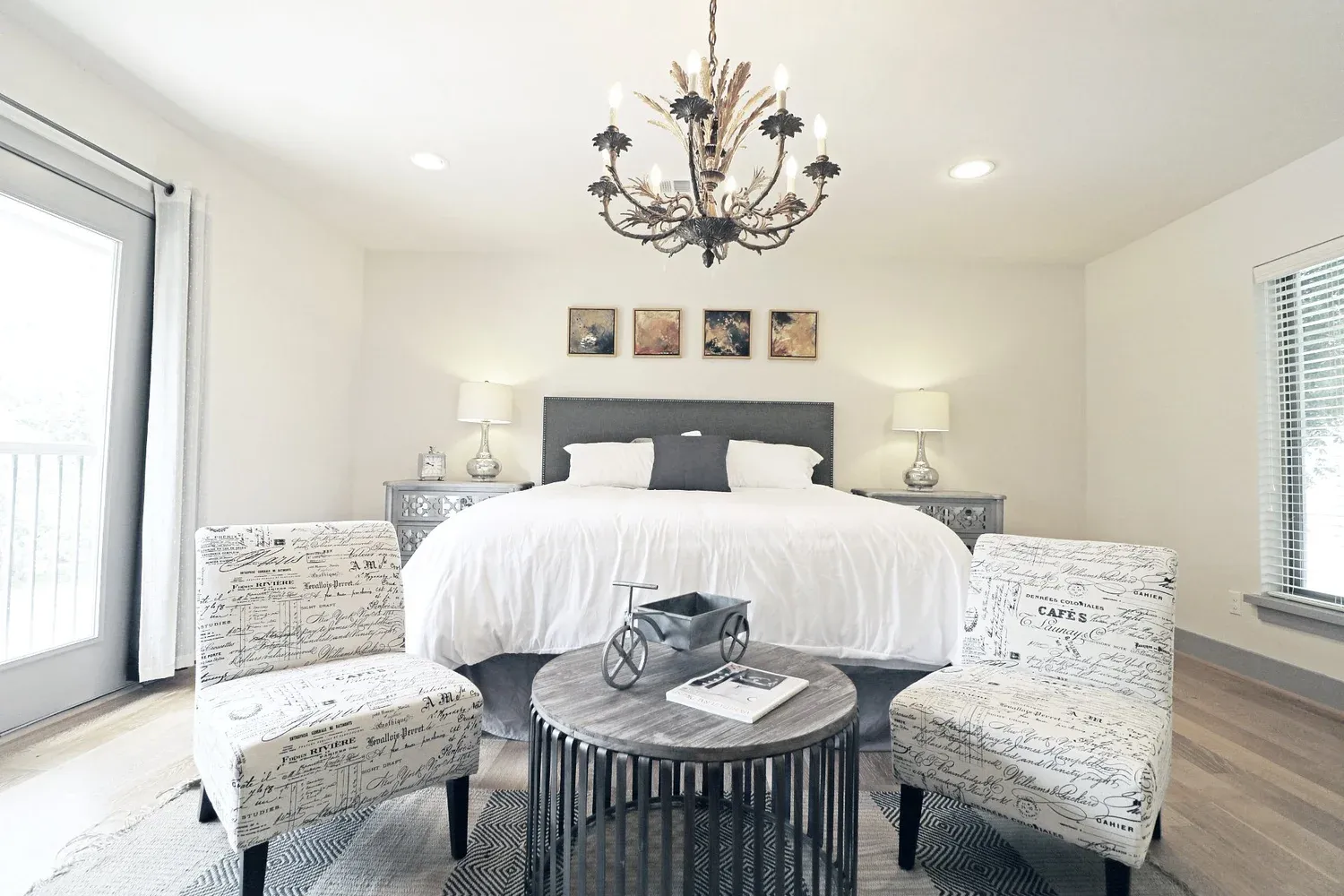
Texas Medical Center Area / West University / Southgate area
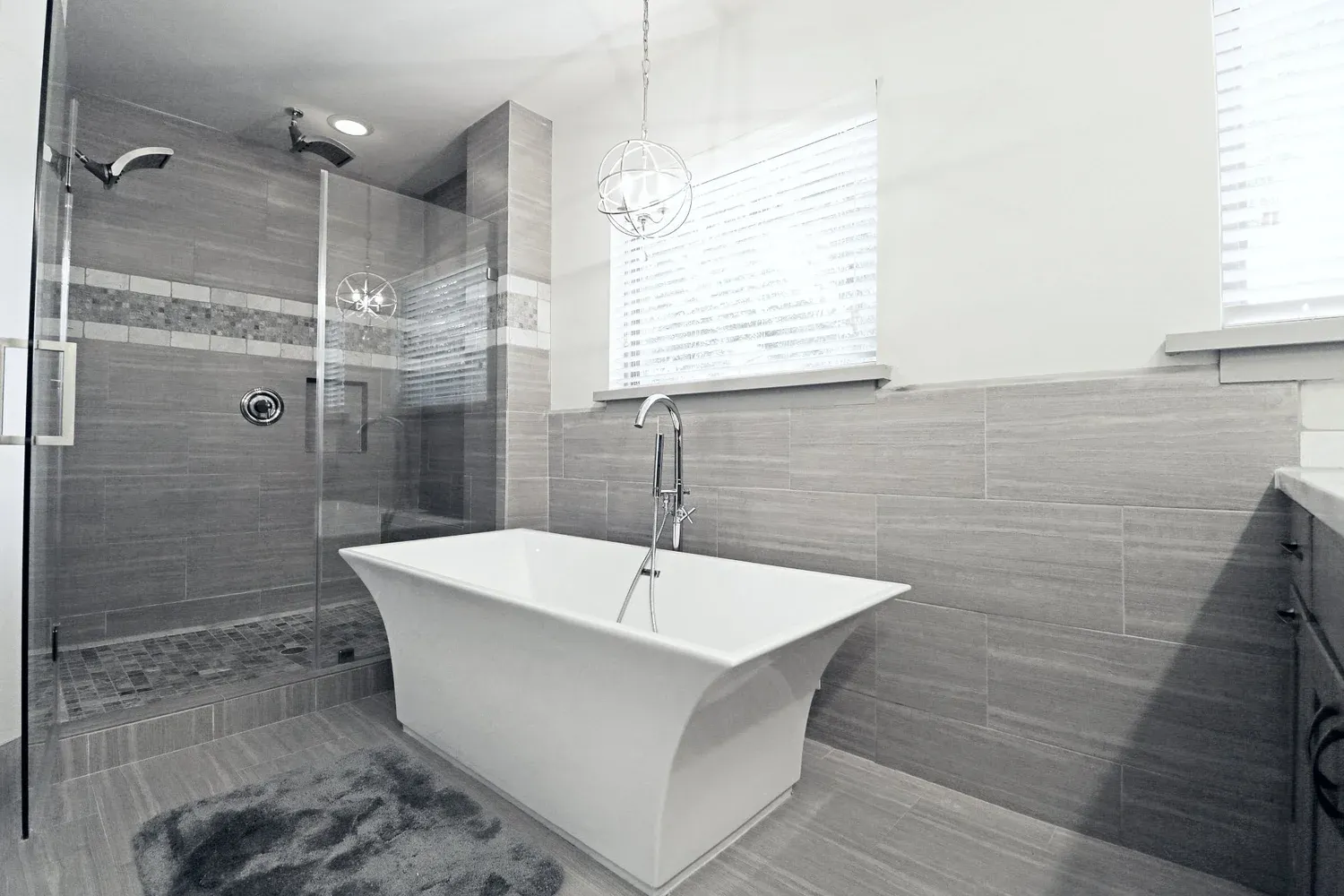
Chateau Gold
- Two story
- Fenced Yard
- Home Office
$16,000 per 30 nights
Plus a one-time $350 cleaning fee.
Featured houses and apartments · 30+ night minimum · Confirm dates and current pricing with our team.
Demystifying the Patient Experience at MD AndersonTraveling to Houston for care at The University of Texas MD Anderson Cancer Center can feel overwhelming, especially when you’re coordinating appointments, records, travel, and caregiver support at the same time. This FAQ is designed to be skimmable and practical, so you can make decisions faster and reduce day-to-day stress.
This article is general information only. For medical and policy questions, confirm details directly with MD Anderson.
For first-time MD Anderson visitors
Where is MD Anderson located? The main campus is in the Texas Medical Center (TMC) area of Houston. If you’re unsure which building or clinic you need, start with MD Anderson locations and how to get there.
Do I need a referral? Many patients can request an appointment directly, but referral and records can help speed review. If you’re organizing care details, MyChart is usually the easiest hub, see MyChart MD Anderson: top 5 features for patients.
Which airport should I use: HOU or IAH? Hobby (HOU) is often closer to the Texas Medical Center, while Bush Intercontinental (IAH) is larger and may offer better international options. Compare quickly with best airport for MD Anderson and which airport is closer.
Does MD Anderson run an airport shuttle? MD Anderson itself generally does not operate a dedicated airport-to-hospital shuttle for most visitors. Most families use rideshare/taxi, private shuttle companies, or (less commonly) public transit. See shuttle options from Houston airports to MD Anderson.
Where should my family stay? Start with MD Anderson patient lodging options in Houston, then use the “lodging by stay length” section in this article to match your schedule and comfort needs.
About MD Anderson and what to expect from care
MD Anderson is part of The University of Texas System and is widely known for specialized cancer care, research, and clinical trials. Many patients come for complex care, rare diagnoses, or a second opinion.
What patients often notice about the experience:
| Team-based planning: | specialists coordinate across departments and services. |
|---|---|
| Thorough evaluation: | early visits may include consults plus testing to refine diagnosis/staging. |
| Personalized plans: | treatments may include surgery, chemotherapy, radiation, immunotherapy, targeted therapy, or trial-based options. |
If you want a simple overview of the campus area and what’s around it (parks, museums, neighborhood feel), see MDAnderson: location and community.
Appointments, referrals, records, and MyChart
How do I schedule an appointment?
Most patients start by requesting an appointment online or by phone, then submitting records for review. If you’re traveling from out of town, aim to get documentation organized early so your care team can plan efficiently.
A practical records checklist:
- 01recent imaging reports (and image files if available)
- 02pathology reports
- 03labs and medication list
- 04a short timeline of symptoms and treatments
- 05contact details for current physicians
For a step-by-step scheduling walkthrough, see Essential tips for scheduling your MD Anderson appointment online.
Do I need a referral?
Some clinics may request a referral, while many patients can self-refer and submit records directly. Either way, the goal is the same: complete information, submitted early, so the right specialists can review your case.
Why does MyChart matter so much?
For most families, MyChart reduces chaos. It helps you track appointments, messages, test results, and billing in one place, especially helpful when multiple specialists are involved. Start here: MyChart MD Anderson: top 5 features for patients.
What should I expect on the first visit?
Many first visits include:
-
a consultation with a specialist
-
additional tests (labs, imaging, sometimes biopsies)
-
early treatment planning and next-step scheduling
Two tips that reliably help:
-
Bring a note-taker (or record key points, if allowed).
-
Plan rest time nearby, the day can be long even when everything goes smoothly.
If you’re visiting a clinic building like Mays Clinic, you may also want MD Anderson Mays Clinic FAQs for patients.
Clinical trials and second opinions
Can I ask about clinical trials?
Yes. Clinical trials can be discussed at different points, sometimes early, not only after other options. If you’re interested, ask:
-
which trials match your diagnosis and treatment history
-
what extra visits or testing a trial requires
-
how benefits and risks are explained and monitored
Insurance and cost questions can get complex; this overview helps frame the conversation: Top tips for MD Anderson treatment and insurance.
Does MD Anderson offer second opinions?
Yes. A second opinion can confirm a plan, clarify options, or help you understand trade-offs. It’s also common for patients to come to Houston for evaluation and then continue some care closer to home (depending on diagnosis and the treatment plan).
For logistics (zip code, parking, commute), see MD Anderson in Houston: locations, zip code, parking, and commute.
Support services for patients and caregivers
Cancer care impacts emotional health and daily life, not just the medical plan. Common support services patients and families can ask about include:
| social work and navigation | (resources, support groups, practical help) |
|---|---|
| nutrition counseling | (appetite changes, diet during treatment) |
| psychological support | (counseling, coping resources) |
| spiritual care | (if desired) |
Your housing setup can also affect recovery routine—quiet, sleep quality, kitchen access, and laundry matter. If wellness support is a priority, see Wellness amenities and services for MD Anderson patients.
Getting to MD Anderson: airports, transportation, and parking
Choosing an airport: HOU vs IAH
-
HOU (Hobby): often a shorter drive to the Texas Medical Center
-
IAH (Bush Intercontinental): larger airport with more international/long-haul routes
Use these quick comparisons:
Transportation options most patients use
| Rideshare (Uber/Lyft): | flexible and door-to-door |
|---|---|
| Taxi: | straightforward airport pickup options |
| Private shuttle companies: | helpful for larger groups or extra luggage |
| Public transit: | workable for some, but can be tiring after long appointment days |
For a practical overview, see Getting to and from MD Anderson lodging.
Parking and arrival tips
Parking and entrances vary by building and can change. These two habits help:
-
Arrive earlier than you think you need (traffic + parking adds time in the Texas Medical Center)
-
Ask your clinic team which garage/entrance is best for your appointment
A visitor-focused overview is here: MD Anderson facilities, parking, and places to stay.

Where to stay near MD Anderson: lodging options by stay length
Choosing lodging is often the biggest quality-of-life decision during treatment. The goal is stability: reliable sleep, predictable meals, and an easy commute.
The four main lodging types
Most patients and families choose one of these:
| Patient-focused hotel (on/near campus) | for short visits and frequent appointment changes |
|---|---|
| Standard hotel | for short stays when you want hotel services |
| Extended-stay hotel | for week+ stays with kitchens and laundry |
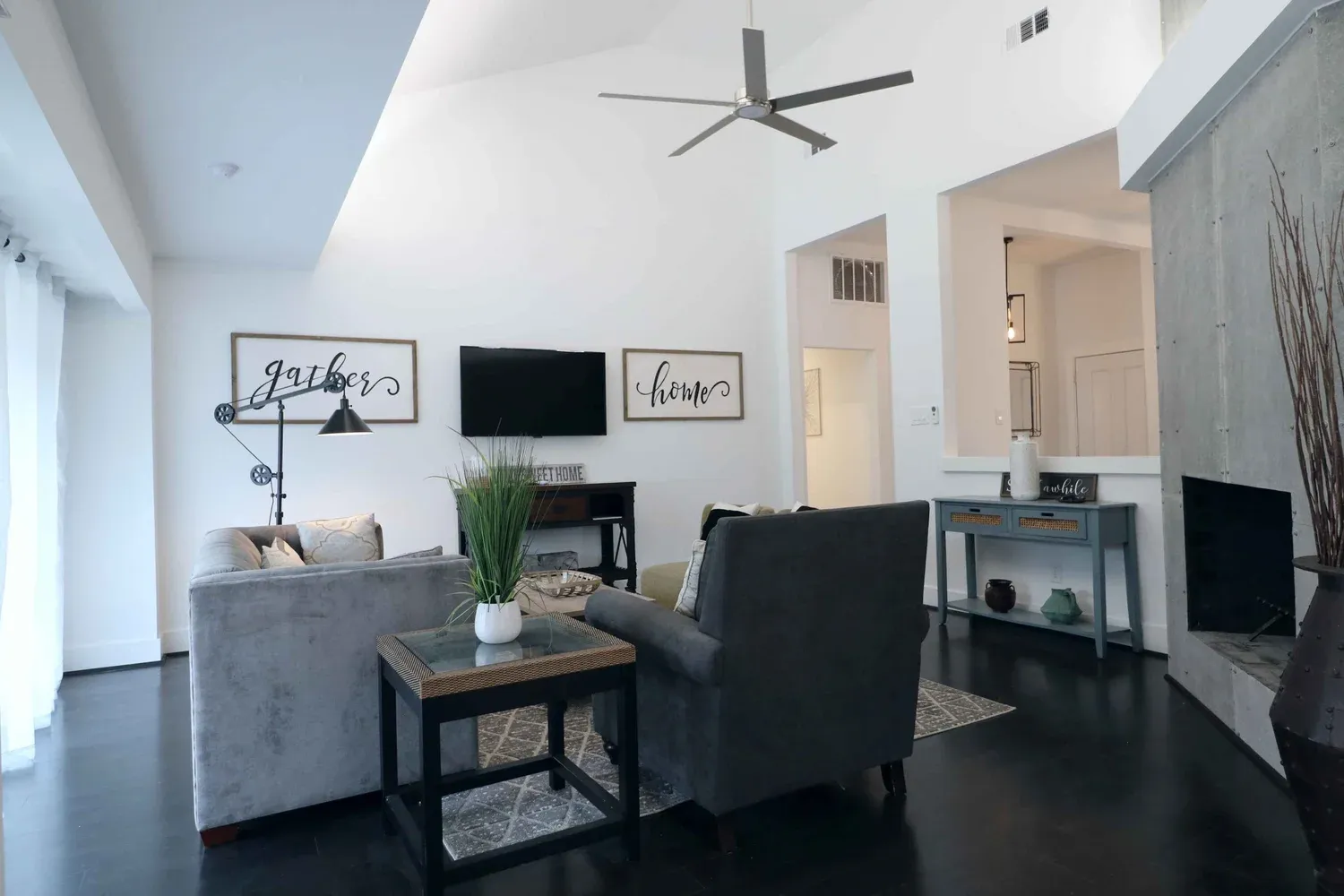
| Furnished apartment or private home | for longer stays, privacy, and family routines |
For a deeper overview and neighborhood suggestions, start with MD Anderson patient lodging options in Houston.
Quick comparison table
| Option | Best for | Typical stay length | Kitchen/Laundry | Privacy | Notes |
|---|---|---|---|---|---|
| Patient-focused hotel | |||||
| (near campus) | Convenience + short visits | 1–14 nights | Limited | Medium | Helpful when appointment times change |
| Standard hotel | Short stays with hotel services | 1–14 nights | Limited | Medium | Prioritize quiet rooms and simple parking |
| Extended-stay hotel | Week+ stays | 7–30+ nights | Usually yes | Medium | Confirm a full kitchen + laundry access |
| Furnished home / furnished apartment | Longer plans + caregivers | 30+ nights | Yes | High | Space, routine, and privacy for recovery |
What matters most when you choose
When deciding between hotels and a furnished rental, focus on:
-
commute and parking simplicity
-
quiet/sleep quality
-
ability to cook (often a recovery advantage)
-
laundry access
-
space for caregivers (separate bedrooms and a place to breathe)
-
flexibility if treatment plans change
If you need more detail, these two guides are the most helpful:
Where Luxurway fits for extended stays
If you’re looking for furnished housing near the Texas Medical Center (especially for longer treatment plans), start here:
For a decision checklist, see MD Anderson housing criteria in Houston.

Best nearby areas for a calmer daily routine
Houston is big, but you don’t have to be far from MD Anderson to find a comfortable neighborhood routine.
Common areas families choose:
| Texas Medical Center / Museum District: | closest daily access; easiest commute |
|---|---|
| West University Place / Bellaire: | calm and residential; popular for longer stays |
| Meyerland: | often more space and good value for families |
For a deeper neighborhood breakdown, see Furnished apartments in Houston: best neighborhoods.
Empowering Your Journey with Knowledge and Comfort
MD Anderson is a world-class cancer center, but your trip planning still matters: the right schedule, the right transportation, and the right place to stay can reduce stress and protect your energy during treatment.
Use this FAQ as a starting point, and follow the internal links when you need deeper guidance on airports, parking, MyChart, and lodging options near the Texas Medical Center.
If you need a furnished home or apartment near MD Anderson for 30 nights or longer, Luxurway can confirm current homes, miles, and listed amenities. Luxurway homes have a 30+ night minimum.
Frequently asked questions
No. This page explains a clinic, portal, or campus location. For a furnished home of 30 nights or longer, call (832) 304-3322, email Info@Luxurway.com, or send dates at /contact.
No. Those portals handle records, messages, and appointments. Housing is separate. Inquire with Luxurway, a hotel, or a hospitality house.
Patients can consider Rotary House, Hope Lodge when eligible, nearby hotels, or a 30-night furnished home. Joe’s House is a directory of discounted lodging, not a physical house.
No. Hospital names are geographic only. Luxurway is independent furnished lodging and is not affiliated with or endorsed by MD Anderson, the Texas Medical Center, Houston Methodist, or Texas Children’s.
Send your check-in date on the form. Call (832) 304-3322 or email Info@Luxurway.com to share guests, neighborhood, pets, and budget. Do not send private medical details through the housing form.