

Which Houston Airport is Closer to MD Anderson?
Choosing the Right Arrival Point for Your Treatment
If you’re traveling to Houston for care at MD Anderson Cancer Center (or another Texas Medical Center facility), the airport you choose can shape your entire first day. A shorter drive means less time in traffic, fewer logistics, and a calmer arrival, especially after a long flight or before early appointments.
Featured Luxury Homes Near MD Anderson
Handpicked private estates ideal for extended stays near the Texas Medical Center.


Houston has two major airports:
HOU: William P. Hobby Airport (closer to the Medical Center)
IAH: George Bush Intercontinental Airport (bigger, more international)
This guide breaks down which Houston airport is closer to MD Anderson, what “closer” means in real-world driving time, and how to plan transportation and lodging so your trip feels simpler and more predictable.
Quick Answer: HOU is closer to MD Anderson (but IAH can still be the right choice)
In most cases, Hobby Airport (HOU) is the closer option to MD Anderson / Texas Medical Center. It typically involves a shorter drive and fewer miles than IAH.
That said, IAH may still be better if you:
need a direct international flight
have better pricing or schedules from IAH
want specific airlines or routes not offered at HOU
The best airport is the one that reduces friction for your travel day: flight timing, energy level, appointments, and ground transportation.
IAH vs HOU: Distance and Typical Drive Time to MD Anderson
Driving time can change significantly based on Houston traffic, the time of day, construction, and weather. Use this table as a planning baseline, then build buffer time.
Pro tip: If you’re arriving weekday mornings or late afternoons, plan for the high end of the time range. If your appointment is time-sensitive, prioritize predictability over “perfect conditions.”
Which airport should you choose? A simple decision guide
Use this quick match to pick the best airport for your situation.
Choose HOU (Hobby) if…
you want the shortest drive to MD Anderson
you’re traveling with fatigue, mobility limits, or heavy bags
you want fewer variables on arrival day (shorter rideshare, easier pickup)
you’re flying domestic (HOU often works well for domestic routes)
Choose IAH (Bush Intercontinental) if…
you need international flights or more airline options
you’re connecting through a hub that lands at IAH
pricing/schedules are significantly better from IAH
you’re traveling with a group and the flight convenience outweighs the longer drive
Ground transportation from each airport to MD Anderson
Once you land, your priority is usually the same: arrive without stress. Here are the most common options and how to think about them.
Rideshare (Uber/Lyft)
For most patients and caregivers, rideshare is the easiest door-to-door option.
HOU rides are typically shorter and often cheaper because the distance is shorter.
IAH rides can be longer and more expensive, especially during traffic surges.
Helpful tip: If you have early morning appointments, consider scheduling rides in advance or choosing a stay close to MD Anderson so your commute is short and consistent.
Taxi
Taxis can be a dependable alternative if you prefer a simple pickup line, especially during busy rideshare periods. Prices vary, and tipping is customary.
Rental car
A rental car can be useful if you:
have multiple appointments across the city
expect errands (pharmacy, groceries, caregivers rotating)
want full control over timing
But for many medical travelers, a rental car adds stress—parking, traffic, and navigation—when rest and routine are the priority.
If you do rent a car, choose lodging with simple parking and a predictable route to campus.
Shuttle and private car services
Some travelers prefer private transportation for comfort and predictability. If you book a shuttle or car service, confirm:
pickup instructions and wait times
luggage policy
total cost (including fees)
whether the service is truly door-to-door to your lodging address
Public transit
Public transit is possible, but it can add time, transfers, and complexity—often not ideal for treatment-related travel. If you’re traveling for medical care, most people prioritize the simplest option.

The real issue isn’t miles, it’s your arrival day routine
Many guides focus on distance alone, but medical travel is different. What matters most is the quality of your arrival day:
Are you landing tired or jet-lagged?
Do you have a next-day appointment?
Are you carrying medical items, heavy luggage, or traveling with a caregiver?
Do you need a quiet, rest-friendly space as soon as you arrive?
When your goal is stability, the right plan is the one that protects your energy and reduces decision fatigue.
For longer stays, this becomes even more important. A calm “home base” is often the difference between “surviving the schedule” and feeling supported by it. See: How to find an MD Anderson home rental in Houston
Where to stay near MD Anderson after you arrive
If you’re coming for treatment, many families quickly realize that lodging isn’t just a place to sleep, it’s part of the recovery environment.
Short stays (1–14 nights): patient-rate hotels and nearby suites
If your timeline is short or uncertain, hotels can be convenient—especially for last-minute planning. However, costs can add up and space can feel limited for caregivers.
Related guide: Hotels near MD Anderson with special discounts (and comparison to home rentals)
Longer stays (30+ nights): furnished rentals can feel more livable
For extended treatment plans, a furnished apartment or private home often provides:
more space and privacy (especially for caregivers)
a real kitchen (helpful for dietary needs and routine)
laundry access (reduces errands and stress)
a quieter environment for rest between appointments
Explore options here:
Using Joe’s House to compare lodging options
Many families also use Joe’s House to compare patient-friendly lodging options near treatment centers. If you’re using Joe’s House as a starting point, this companion guide helps you choose the right type of stay:
Featured Luxury Homes Near MD Anderson
Handpicked private estates ideal for extended stays near the Texas Medical Center.
Practical travel tips for MD Anderson visitors flying into Houston
These tips are simple, but they prevent the most common “arrival day” problems.
1) Build buffer time for Houston traffic
If you land:
weekday mornings (roughly 6:30–9:30)
weekday late afternoons (roughly 3:30–7:00)
…assume your drive will be longer than the “best case” estimate.
2) Pack for comfort (not just the trip)
Medical travel often includes longer waits, unexpected schedule changes, and fatigue. Consider:
a refillable water bottle
a light layer (airports and clinics can be cold)
phone charger + power bank
a small snack (if allowed)
printed address of your lodging (helpful if you’re tired)
3) Think about the first 24 hours
When you arrive, you’ll likely need:
food (quick, easy options)
a calm place to rest
a plan for tomorrow’s commute
This is why many longer-stay travelers prefer lodging with a kitchen and laundry, your routine becomes easier immediately.
4) Choose lodging that reduces “micro-stress”
The goal is fewer small frictions:
simple parking
step-free entry if needed
a predictable route to campus
space to rest without noise
If you’re planning a monthly stay near MD Anderson, start here: MD Anderson lodging
Sample arrival plans (use whichever matches your trip)
These examples help you map “airport → lodging → next day” without overthinking.
Scenario A: You have an early morning appointment tomorrow
Choose HOU if flight options work.
Use rideshare/taxi to reduce driving stress.
Stay near Texas Medical Center to keep the morning commute short.
Prep the night before: clothes, documents, route, and a simple breakfast plan.
Scenario B: You’re flying internationally or need a specific airline
Choose IAH for direct routes and better connections.
Plan extra drive time (especially weekdays).
Consider a furnished rental for longer stays so your environment supports rest and routine.
Scenario C: You’re unsure how long you’ll stay
Consider flexible lodging first (hotel/extended-stay) and keep a furnished backup option ready.
Use a comparison guide to avoid last-minute switching stress:
FAQ: IAH vs HOU for MD Anderson travel
-
Often, yes, but not always. Traffic patterns can change the outcome. HOU is generally closer, which usually reduces drive time and cost, but always check the time of day and build buffer time.
-
Most people find HOU easier because the total travel time after landing is shorter. If you need an international flight or a better schedule, IAH can still be worth it.
-
If it reduces stress and saves time on arrival day, especially for treatment travel, many people consider it worth it. The most important factor is how you feel when you arrive and how quickly you can rest.
-
For longer stays, the airport matters less than your day-to-day routine. Prioritize lodging that supports rest, simple commuting, and caregiver comfort:
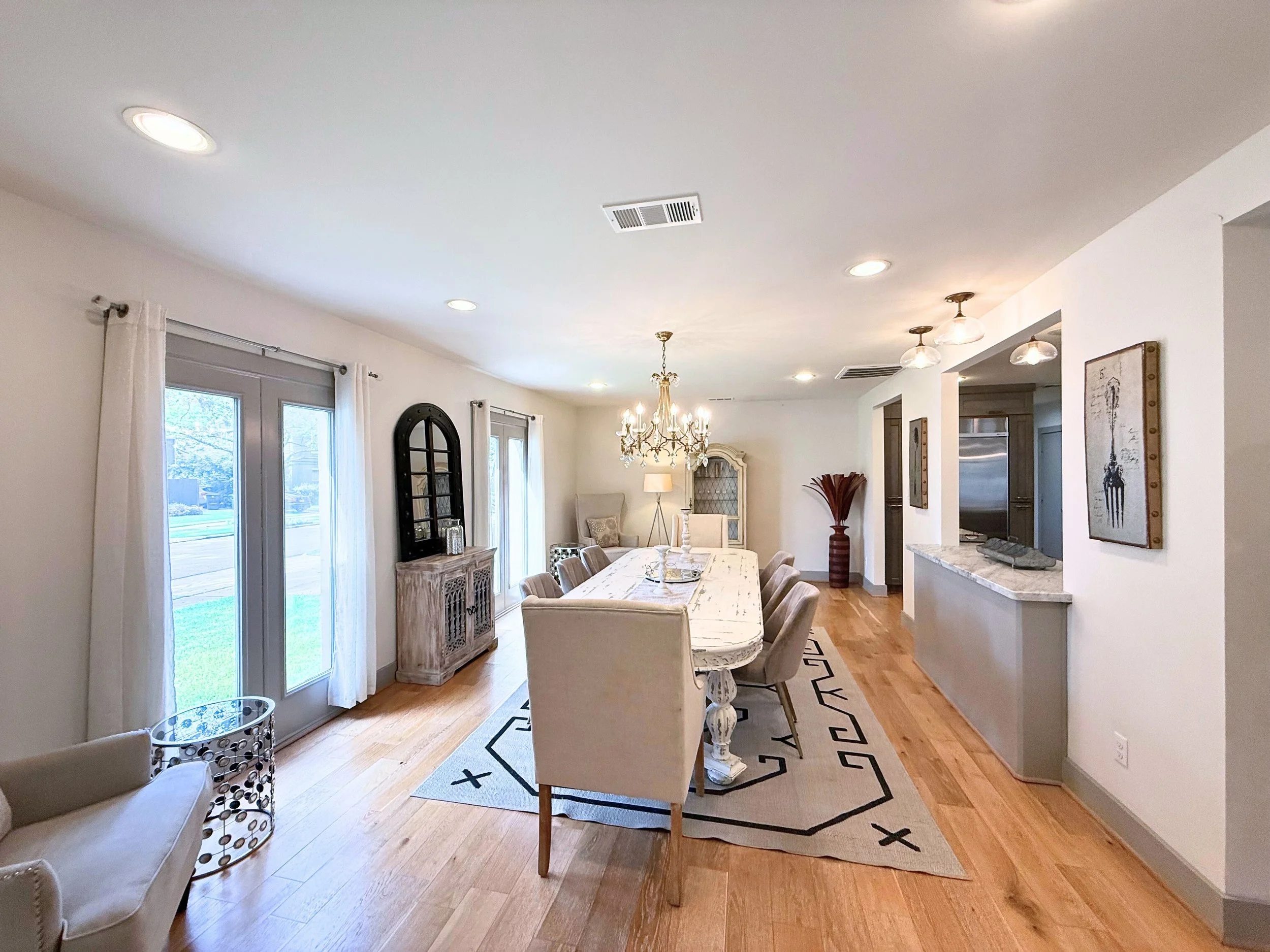
Smooth Landings and Stress-Free Stays
So, which Houston airport is closer to MD Anderson? In most cases, HOU (Hobby) is closer and usually faster to the Texas Medical Center. But IAH can still be the better choice when international flights, airline options, or scheduling convenience matter more than drive time.
Whichever airport you choose, aim for a plan that reduces stress: build traffic buffer time, pick straightforward transportation, and choose lodging that supports rest and routine, especially if your stay is longer than a few weeks.
Next Step
Explore calm, furnished stays near Texas Medical Center
If you’re planning a longer medical stay in Houston, explore furnished options designed to feel calm, private, and livable near Texas Medical Center.