

Insurance Housing Solutions: How to Handle Temporary Housing in Houston
When Your Home Is Suddenly Unlivable in Houston
A house fire. A burst pipe. Hurricane damage. Mold remediation. In Houston, unexpected property damage is not rare—and when it happens, families are often forced to leave their homes with little notice.
Temporary displacement can feel overwhelming. You’re managing an insurance claim, coordinating repairs, protecting your belongings, and trying to maintain normal routines. In these moments, understanding your insurance housing options becomes critical.
This guide explains how insurance housing solutions work in Houston, what “loss of use” or ALE (Additional Living Expenses) coverage typically includes, and why extended stay residences are often a more practical solution than hotels for families facing weeks or months of repairs.
- Why Temporary Displacement Happens in Houston
- How Insurance Housing Coverage Works (ALE & Loss of Use)
- Extended Stay Rentals vs. Hotels During Repairs
- What to Look for in Insurance Housing in Houston
- Working With Your Insurance Adjuster
- Common Questions About Temporary Displacement
- Next Steps for Securing Stable Housing
Why Temporary Displacement Happens in Houston
Houston’s climate and housing stock create unique risks. Severe thunderstorms, hurricane season, flooding events, and high humidity can lead to:
Fire and smoke damage
Water intrusion and mold remediation
Roof failure after storms
Structural repairs following wind damage
Large-scale plumbing failures
When restoration teams determine that a property is unsafe—or uninhabitable due to repairs—insurance policies often activate housing benefits.
Many families assume displacement lasts “just a few weeks.” In reality, complex rebuilds can extend for months, especially when permits, contractor schedules, or materials are delayed.
This is where structured insurance housing solutions become essential.
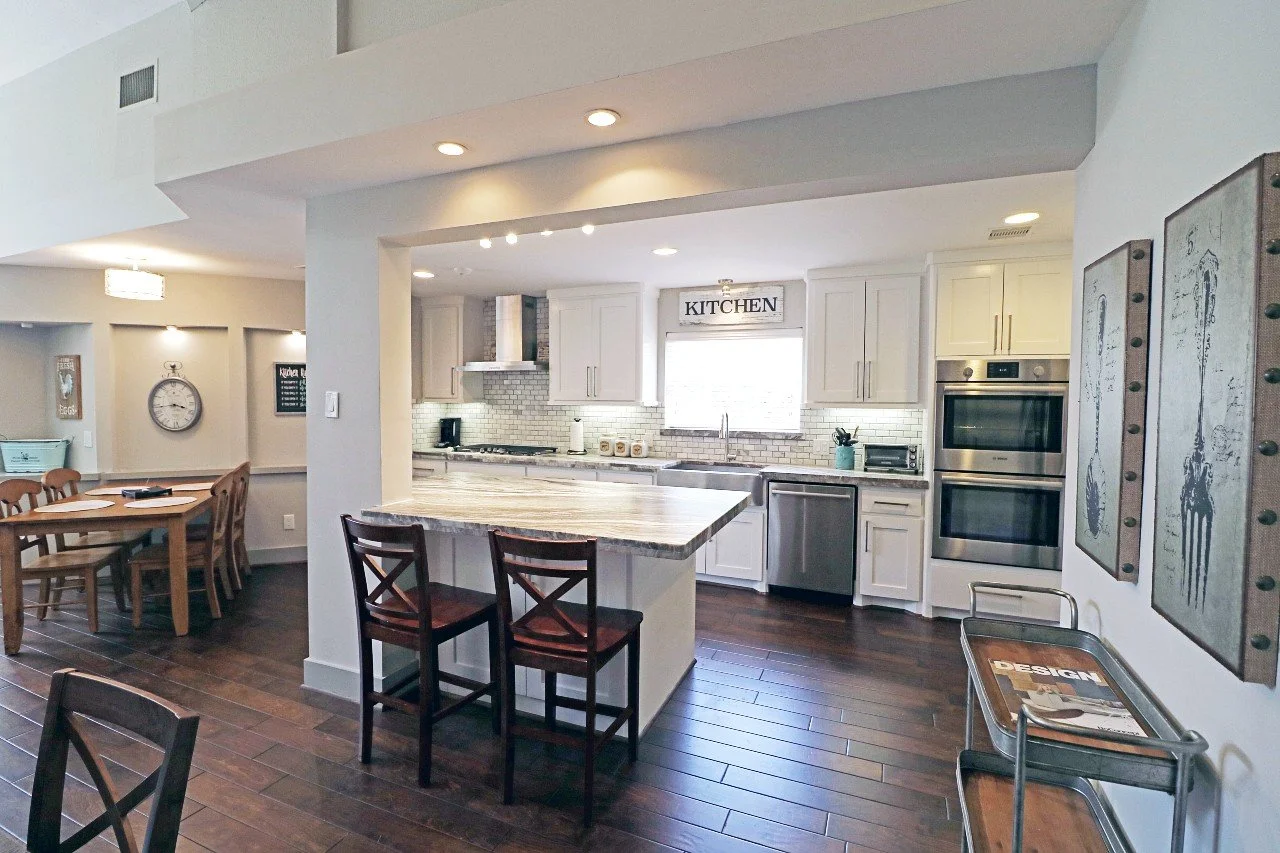
Featured Luxury Homes For Corporate Housing
Handpicked private estates ideal for extended stays near the Texas Medical Center.


How Insurance Housing Coverage Works (ALE & Loss of Use)
Most homeowners policies include a section commonly referred to as Loss of Use or Additional Living Expenses (ALE). While coverage details vary, this portion of your policy generally helps cover reasonable costs when your home cannot be occupied due to a covered loss.
What ALE Typically Covers
Temporary housing (hotel or rental residence)
Increased food costs beyond normal living expenses
Laundry, parking, and related living adjustments
In some cases, pet boarding
The goal is not to upgrade your lifestyle, but to maintain a comparable standard of living while your home is repaired.
For example, if you lived in a three-bedroom home in Houston, your insurance carrier is unlikely to approve a single small hotel room for a family of five. Instead, they often authorize housing that reasonably matches your household size and needs.
This is where extended stay residences offer a practical alternative to traditional hotels.
What to Expect from Unfurnished Luxury Apartments
Unfurnished apartments in Houston’s luxury market typically offer:
Built-in appliances
Modern finishes
Walk-in closets
Granite or quartz countertops
Stainless steel kitchen appliances
However, they do not include:
Furniture
Kitchenware
Bedding
Utilities
Internet service
While these apartments may be located in premium buildings with amenities like pools, fitness centers, and security, you are responsible for transforming the space into a livable home.
For short or mid-term extended stay residents, this often introduces logistical complexity.
Extended Stay Rentals vs. Hotels During Repairs
When displacement lasts longer than a few days, the limitations of hotels become clear.
Below is a simplified comparison relevant to families managing insurance claims:
| Factor | Extended Stay Residence | Hotel Stay |
|---|---|---|
| Space | Full home with multiple bedrooms | Single room or suite |
| Kitchen | Fully equipped kitchen | Limited or none |
| Privacy | Private residence | Shared walls, public spaces |
| Cost Efficiency | Structured monthly rate | High cumulative nightly cost |
| Stability for Children | Consistent living environment | Frequent room changes possible |
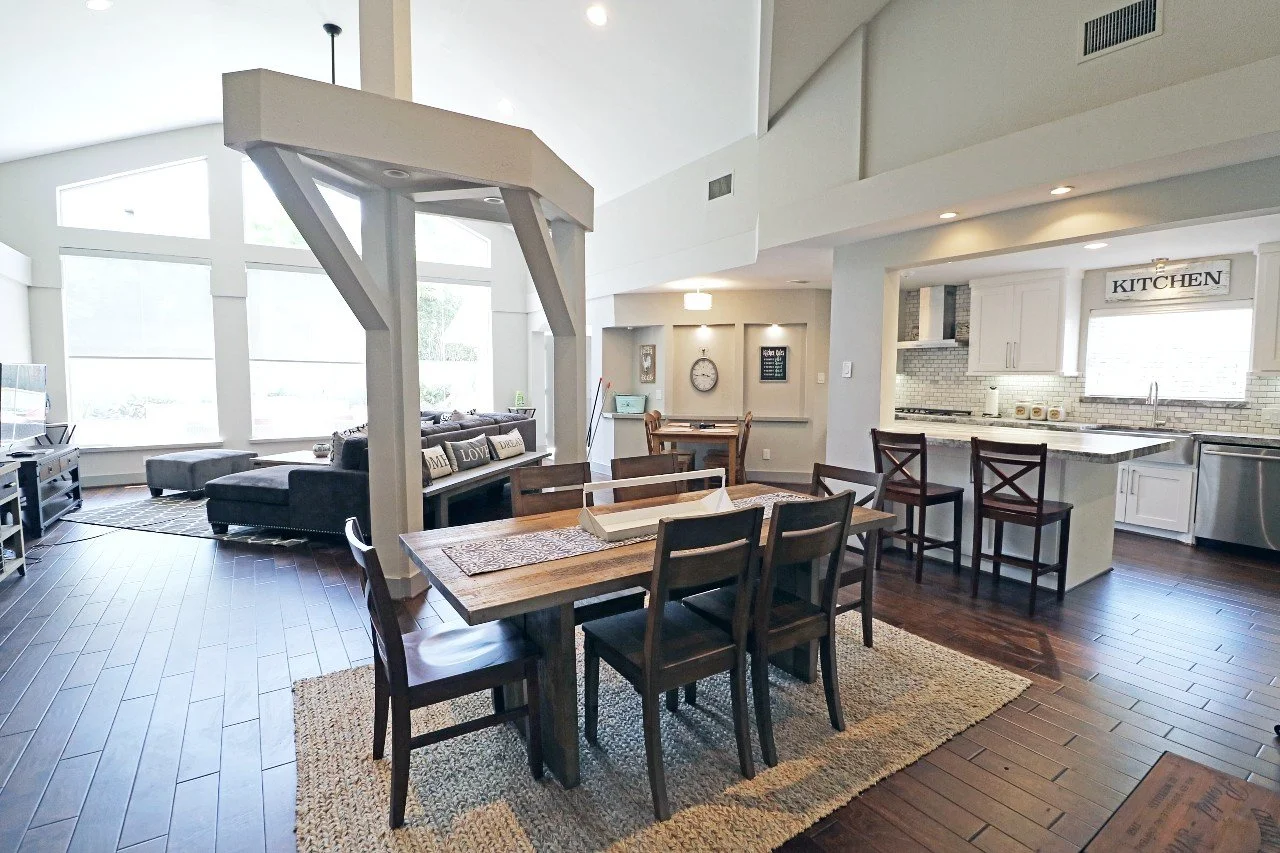
For families with children, pets, remote work responsibilities, or medical needs, having separate bedrooms, workspace, and a functional kitchen reduces stress during an already difficult period.
Houston neighborhoods near the Texas Medical Center, Energy Corridor, West University, and central residential districts frequently require this type of mid-term stability rather than nightly lodging.
What to Look for in Insurance Housing in Houston
When evaluating temporary housing under an insurance claim, consider the following criteria:
1. Comparable Living Standard
The housing should reflect the size and quality of your original home—not an extreme upgrade, but not a downgrade either.
2. Utilities Included
Insurance housing arrangements often work best when utilities, Wi-Fi, and basic furnishings are included in one consolidated monthly invoice. This simplifies reimbursement and documentation.
3. Flexible Terms
Repair timelines shift. Permits are delayed. Materials backorder. Your housing provider should allow extensions when construction runs longer than expected.
4. Proximity to Daily Life
If your children attend school locally or you work in Houston, staying within a reasonable commute preserves routine.
5. Clear Documentation for Insurance
Your housing provider should be able to supply:
Monthly invoices
Lease agreements structured for claims
Direct communication if your adjuster requests verification
This reduces friction during reimbursement.
Working With Your Insurance Adjuster
One of the most important steps in handling temporary displacement is maintaining structured communication with your adjuster.
Step 1: Confirm Coverage Limits
Ask:
What is my ALE limit?
Is it time-based or dollar-based?
Are there daily caps?
Step 2: Submit Housing Options for Approval
Before signing a lease, many carriers require approval. Provide:
Monthly rate breakdown
Utilities included
Lease duration
Step 3: Keep Receipts and Records
Even when insurance pays directly, maintaining organized documentation prevents disputes later in the claim process.
Step 4: Monitor Repair Progress
Your housing term should align with projected completion dates—but remain adaptable. Construction in Houston can face weather-related interruptions, especially during storm season.
Common Questions About Temporary Displacement
How long can insurance pay for housing?
Coverage typically lasts until repairs are completed, or until policy limits are reached. The key variable is whether the damage is tied to a covered loss.
Can I choose my own temporary housing?
In most cases, yes—subject to reasonableness and approval. You are not necessarily required to use a hotel suggested by the insurer.
Will insurance pay upfront?
Some carriers pay providers directly. Others reimburse policyholders. Clarify payment structure early to avoid cash-flow pressure.
What if repairs take longer than expected?
If delays are outside your control and the loss remains covered, extensions are often possible—provided you remain within policy limits.
Stabilizing Your Living Situation After Displacement
Temporary displacement disrupts more than housing. It affects school schedules, work productivity, family routines, and emotional stability.
Choosing a structured extended stay residence in Houston can provide:
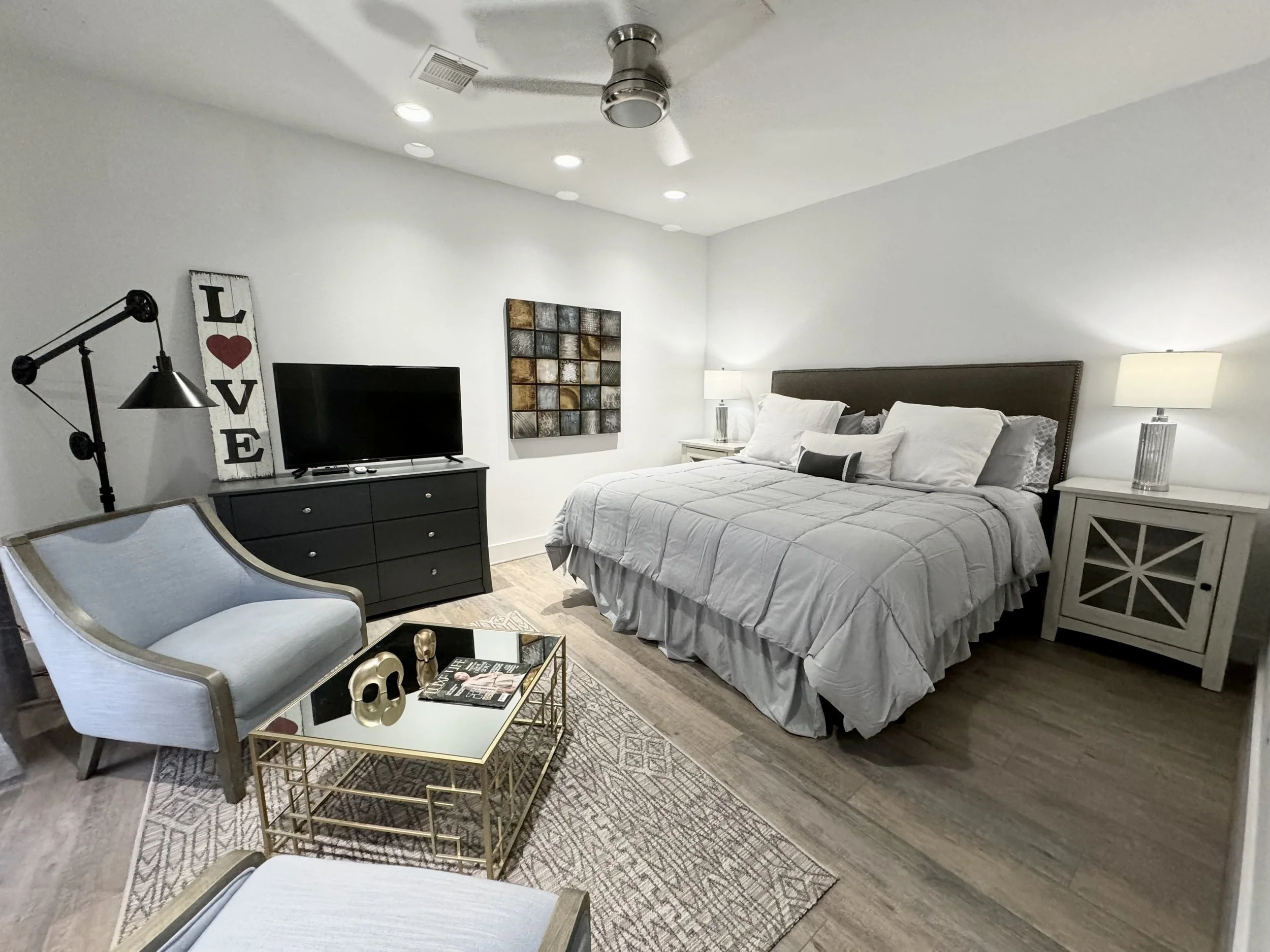
Private living space for your household
Fully furnished interiors
Kitchens that reduce daily food expenses
Utilities bundled into a single agreement
Flexible terms aligned with repair timelines
While no temporary housing replaces your home, the right solution reduces uncertainty and helps restore a sense of control during the claims process.
If your displacement is tied to medical care in Houston as well, understanding your proximity to airports can also help coordinate travel and family click here.
Moving Forward With Clarity and Structure
Insurance housing solutions are not simply about finding a place to sleep. They are about maintaining continuity—school, work, privacy, safety—while your primary residence is restored.
In Houston’s dynamic climate and housing market, repairs can take longer than expected. Planning for stability rather than short-term lodging can make a measurable difference in both comfort and financial predictability.
If you are navigating temporary displacement and evaluating extended stay options, structured guidance can help you align housing with your policy coverage and timeline.
Need Structured Extended Stay Housing in Houston?
Working through an insurance claim and need a private residence instead of a hotel room? Our team can walk you through options clearly and directly.
📞 (832) 304-3322